Whitewater Kayaking Spring Season Prep: Reading River Levels, Picking Boats and Surviving Class III
Spring runoff is the best whitewater of the year and the most dangerous. Reading gauges, choosing a boat, and the cold-water reality of Class III.
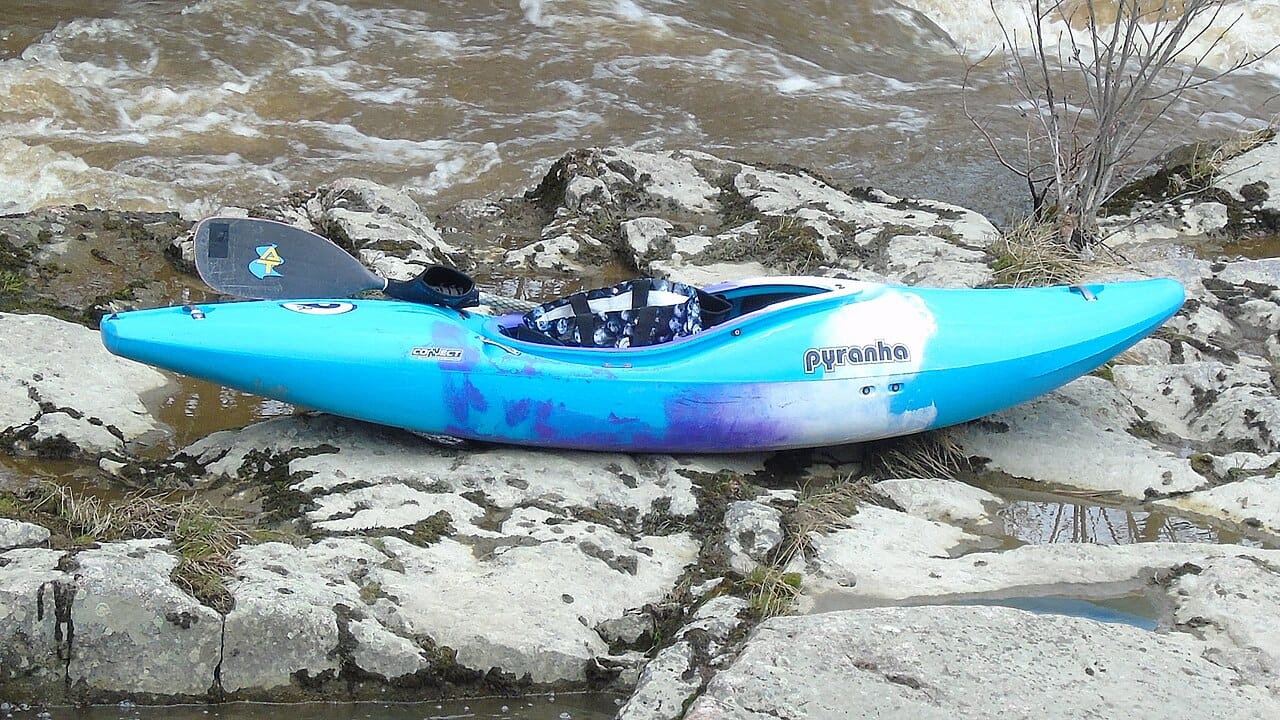
Spring runoff is the best whitewater of the year and also the most dangerous. The rivers you ran in late summer at 600 cfs are now pushing 3,400. The features you remember are buried under standing waves twice as tall. The water is 38 degrees, the strainers from winter are still in place, and the rescue circuit is finding the same paddlers in the same places every April for the same reasons.
If you have a winter of pool sessions and a roll that mostly works, this is your year to step up. If you have run Class II for two seasons and you are eyeing the gauge on the local Class III, this is the article. If you are returning after a year off, read it twice.
Reading the River Gauge
Most US whitewater is graded against a USGS streamflow gauge measured in cubic feet per second (cfs) and stage in feet. The American Whitewater database lists recommended ranges for thousands of runs. The gauge is the single most important piece of pre-trip information you will gather.
The fundamental relationship: as flow rises, the river gets faster, the features get bigger, and the consequences of a mistake get worse. A run that is fun Class III at 1,200 cfs can be terrifying Class IV at 2,800. The grade label on a guidebook assumes a specific flow.
The Three Numbers to Know Before You Put In
- Current flow - the live USGS reading
- Trend - rising or falling, and how fast (a river rising 200 cfs per hour is a different animal than the same river falling)
- Air and water temperature - drives gear choice and rescue priorities
Apps that aggregate this: River App, FlowChart, and the American Whitewater website. River App in particular gives the rate of change, which is the metric most beginners miss. A river that has gone from 800 to 1,400 cfs over the last 6 hours and is still rising is going to be dramatically pushier by the time you are mid-run.
Choosing the Right Boat
The biggest gear decision you will make this spring is the boat under you. Modern whitewater kayaks fall into four broad categories:
Creek Boats - 7 to 9 feet, high volume, displacement hull
The Pyranha Ripper 2, Dagger Phantom, and Jackson Karma in the 9 to 9.5 foot lengths. Designed for steep, technical water with consequence. The high volume resurfaces the boat after waterfalls and pushes through holes. Slower edge response than river runners but vastly more forgiving.
River Runners - 8 to 9 feet, planing hull, all-around
The Liquidlogic Stinger XP, Pyranha Scorch, Dagger Rewind in 9-foot. The default modern whitewater boat for the paddler running Class III to IV mixed water. Fast, forgiving enough, more responsive than a creeker.
Half-Slices - 7.5 to 8.5 feet, pointed stern
The Pyranha Ripper, Dagger Vanguard. Low-volume stern for cartwheels and play, planing hull bow for general river running. Fun on Class III, demanding on Class IV. Increasingly popular as the do-everything modern boat.
Playboats - 5.5 to 6.5 feet, flat hull, low volume
For staying at one feature and working it. Not for downriver runs unless you really know what you are doing. Skip these for spring.
For a paddler stepping up to Class III spring water, the right answer in 2026 is almost always a modern river runner or half-slice in the appropriate size for body weight. A 175-pound paddler in a 9-foot Stinger XP is going to have a much easier afternoon than the same paddler in a 6.5-foot playboat.
The Class III Reality Check
Class III on a guidebook means "intermediate." In practice, spring Class III at high water is where most beginners get wrecked. The reasons cluster:
- The recovery zones disappear. At low summer flow there are eddies after every rapid. At high spring flow those eddies are washed out. A swim at the top of a rapid means swimming the entire rapid.
- The features merge. Three small holes at low water become one continuous wave train at high water. There is no rest.
- The water is cold. 38-degree water means 5 to 10 minutes of useful function in a swim before fine motor control collapses. A roll that mostly works on a warm pool day fails at 38 degrees.
- The consequences are real. Strainers, undercuts, sieves - all the standard hazards - are more present and harder to see in high muddy water.
What This Looks Like in the Rescue Log
Almost every spring drowning in North American whitewater follows the same pattern: a paddler in a boat slightly too small, on a river slightly above their skill level, at a flow slightly above where they have run it before, in cold water without a dry suit, with a roll that fails on the third attempt. The chain breaks because every link tightens at the same time.
The Spring Gear Audit
Before you put on for the first time this season:
- Dry suit - non-negotiable in water under 50 degrees. Test the seals before the first run by stepping into the bathtub fully dressed. Latex degrades.
- Type V whitewater PFD with rescue belt and quick-release - replace if older than 5 years
- Helmet - replace any helmet over 5 years old or that has taken a major hit
- Throw rope - 60 to 75 feet, in a working bag, on every paddler in the group, not just the trip leader
- Pin kit - prusiks, pulley, locking carabiners, knife, whistle, river knife on the PFD
- Spare paddle - one per group of three boats minimum
Run through it on the put-in beach before you start. Every season. The cost of forgetting is too high.
Skill Sequencing - Where to Spend Your First Three Trips
- Eddy turns and ferries on familiar water - rebuild the moves at low consequence before adding flow
- Bracing drills - high brace, low brace, sculling brace - 20 minutes of dedicated practice in a pool or eddy
- Rolls in current - your pool roll is not your river roll. Practice rolling in fast water with the deck moving.
- Reading water - sit at a rapid for 30 minutes and watch a leaf go through. Where does it pause? Where does it accelerate? That is your line.
- Swims, deliberately - take one or two practice swims in safe water with the group set up for rescue. The first swim of the season should not be involuntary.
The Mindset
The paddlers who handle spring water well are the ones who scout, who portage when the gut says portage, who put in below the rapid that scares them, and who go back next month at lower flow to run the line they walked in April. The river will be there. So will the rapid. The skill of saying "not today" is the most underrated skill in whitewater.
Class III spring water is the best whitewater available to most paddlers in North America. It is also the water where most preventable bad days happen. The gauge, the gear, the boat, the swim plan, the company - prepare all five before the first run. The river will reward you for the rest of the season.