Tow-In Surfing in 2026: The Jet-Ski Discipline That Finally Lets Regular Guys Ride Waves the Paddle Never Could
A jet ski and 30 feet of rope erase the speed ceiling that shuts paddlers out of the best waves — here's the honest entry point, gear cost, and danger.
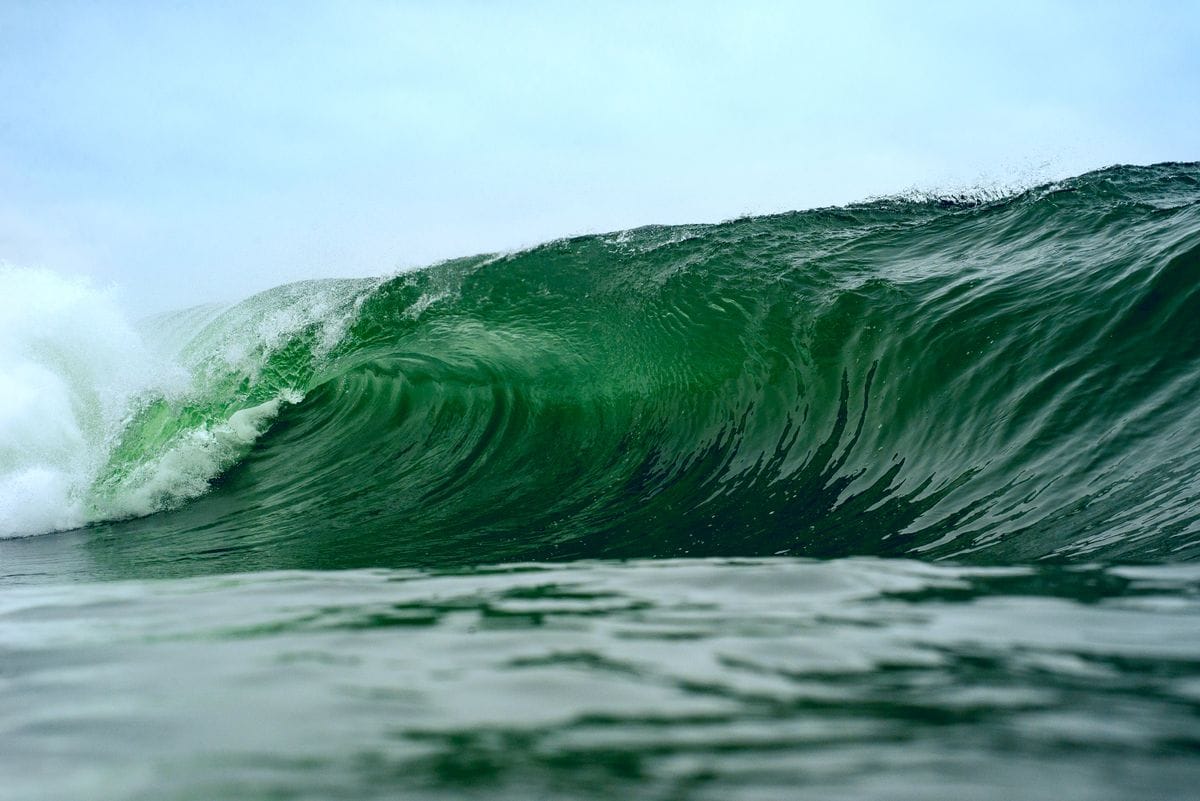
Tow-in surfing used to be a Maui thing, a Laird Hamilton thing, a thing you watched on a screen while waters bigger than apartment buildings folded over on themselves. In 2026 it has quietly become something else: the proving ground for a generation of guys who learned to surf on overhead beach break and now want the thing that the paddle simply cannot give them. Not bragging rights. Speed. The kind of speed that rearranges what your nervous system thinks is possible.
Why the paddle hit a ceiling and the rope didn't
There is a hard physical wall in paddle surfing. Once a wave moves faster than roughly 20 miles per hour at the takeoff, your arms cannot generate enough forward speed to match the face before it jacks up and throws. You late-drop, you get pitched, you eat it. Big-wave paddlers spend years building the shoulder endurance to push that ceiling a few feet higher, and the very best still get shut out on the days that matter most. A jet ski and 30 feet of rope erase that ceiling entirely. You are already doing 25 miles per hour when you let go, which means a wave that would have closed out on a paddler becomes a rideable, makeable wall.
That changes who gets to ride these waves. It is no longer only the freaks with twenty years and a death wish. A competent intermediate with a strong water background, a good driver, and a season of disciplined practice can reasonably learn to tow into 15-foot faces. I am not saying that lightly, and I will get to the part where it kills people. But the entry point is real, and it is lower than the mythology suggests.
The gear bill is the first reality check
This is not a cheap discipline, and anyone who tells you otherwise is selling something. A used Yamaha WaveRunner FX or Sea-Doo RXT capable of rescue work runs $9,000 to $16,000 used, more if you want the 2024-or-newer hulls with the brake-and-reverse systems that actually matter when you are reversing into a foam pile to grab your downed partner. Add a proper rescue sled — a Kawasaki or aftermarket aluminum sled — for $1,200 to $2,500. The tow board itself is the cheap part: a foot-strapped 6'0" from a shaper like Gary Linden or a production Quobba runs $700 to $1,400.
Then the safety kit, which is where the budget people start cutting corners and where the dead people made their last mistake. An inflatable impact vest with a CO2 pull — the Patagonia PSI or a Shark Ski with two cartridges — is $300 to $550. A second vest, because your driver needs one too. Two-way comms. A first aid kit that includes an oxygen unit. You are into five figures before you have ridden a single wave, and that is the honest number.
The driver is more important than the surfer
Here is the thing nobody puts on the highlight reel. The person on the ski matters more than the person on the rope. A great driver puts you exactly where the wave lets you in and then — this is the part — gets to you inside of 20 seconds when you fall, before the next one lands on your head and pins you under for a second and third hold-down. A bad driver, or a panicked one, is how a survivable wipeout becomes a drowning.
So your real first investment is not the ski. It is finding two or three people you trust with your life and drilling rescues with them on small days until the reverse-and-grab is muscle memory. Practice the unglamorous stuff: engine stalls in the impact zone, a rope wrapped around the intake, your partner unconscious and face down. The guys who skip this part are the ones who show up in the incident reports.
Where to actually start in summer 2026
You do not learn this at Jaws. You learn it on a 6-to-8-foot summer south swell at a spot with a clean channel and deep water — places like the outer sandbars off the Gulf Coast on a hurricane-season pulse, or the cold but forgiving reefs of the Pacific Northwest where the lineups are empty. The summer south-swell season running through August gives the West Coast consistent, manageable energy that is perfect for building the timing without the consequence of a Pacific winter bomb.
Take a tow clinic before you buy anything. Operators in Santa Cruz and on Oahu's south shore run two-day courses for $600 to $900 that put you behind the ski and on the rope with a qualified driver watching. You will learn in a weekend whether you actually want this or whether you just liked the idea of it.
The honest warning
This sport hurts people who treat the machine as a shortcut. The rope does not make the ocean smaller — it puts you in water that would have rejected you, and the ocean does not care that you got a ride in. Two-wave hold-downs are real, they happen to fit and experienced surfers, and the inflatable vest buys you one pull and a few seconds, not immortality. Treat every session like the rescue is the main event and the ride is the bonus. Do that, drill it cold, and tow-in surfing gives you the fastest, cleanest, most addictive turns of your life. Treat it like a video game and the Gulf or the Pacific will teach you the difference.