Kiteboarding for Beginners in 2026: Gear, Lessons, and the Best US Launch Spots to Get You Riding This Summer
Kiteboarding has a steeper learning curve than surfing but a faster progression window once you get past the kite. Here's everything you need to start safely this summer — gear, lessons, and the spots where beginners actually succeed.
The Learning Curve Is Real — and Shorter Than You Think
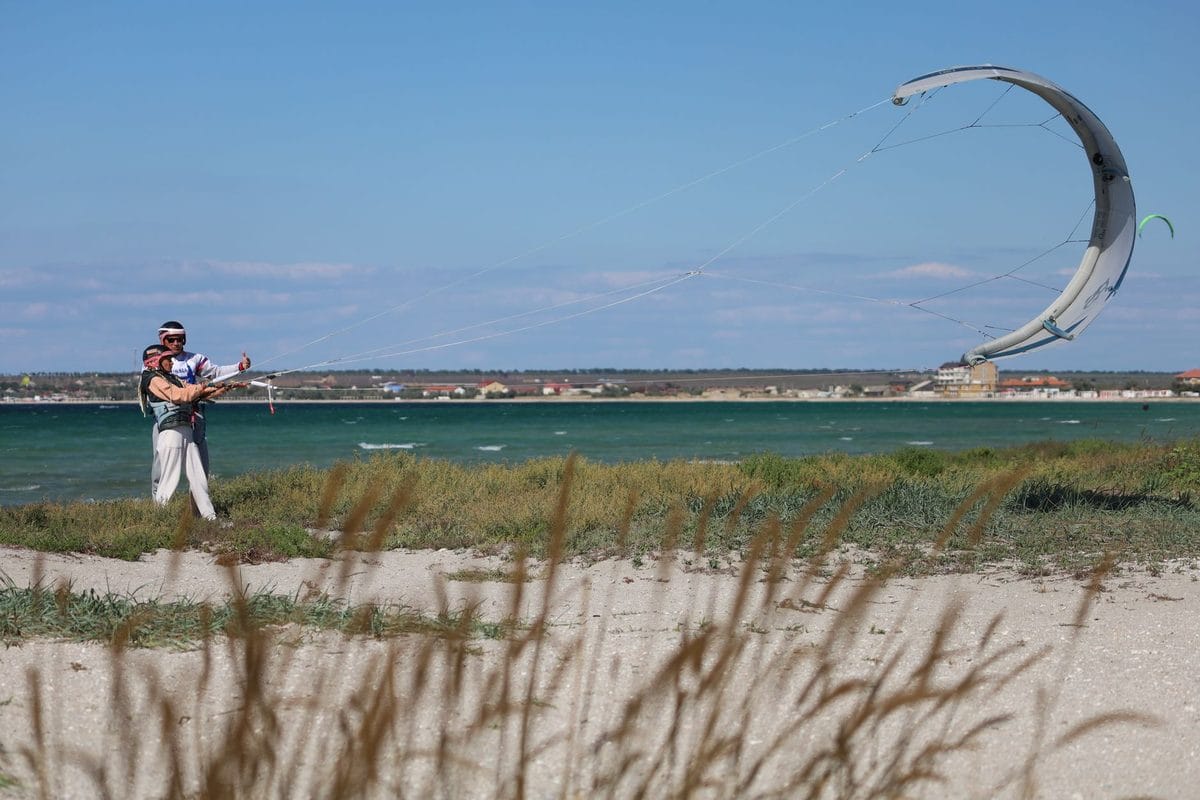
Most people who try kiteboarding quit in the first three days. Not because the sport is impossible, but because they try to rush past the kite and onto the board too fast. Spend those first three days doing nothing but kite control on a trainer kite — a small 2–4 meter foil that costs around $100–$150 from brands like HQ4Kites or Prism — and everything that follows will click faster than you expect. Skip that step and you'll spend $600 on lessons relearning what a $120 kite could have taught you in a week of backyard sessions.
The IKO (International Kiteboarding Organization) certifies instructors globally, and any lesson center worth your money will use their progression system. A standard IKO-certified beginner course runs 9–12 hours of water time, split across three days, and costs between $450 and $650 depending on the school and location. That gets you through kite setup, body dragging, water relaunch, and your first board-assisted runs. You won't be carving turns by the end — that's not the point. The point is leaving with the muscle memory to fly a kite safely and the judgment to read a window.
What Gear You Actually Need on Day One (and What to Skip)
Every beginner asks whether to buy gear before lessons. Don't. Take lessons in school gear first, identify which kite size and board shape the instructor keeps putting you on, then shop. Buying a full setup before lessons is the single most common beginner mistake — you'll end up with gear that doesn't match your weight, your local wind conditions, or the spot you'll actually be riding.
When you're ready to buy, a complete beginner setup — kite, bar and lines, board, harness, wetsuit if needed — runs $1,800–$3,500 new. Cabrinha's Switchblade 12m comes up repeatedly for beginners: it's forgiving in the power window, relaunches off the water without drama, and the 2024/2025 versions can be found new in the $900–$1,100 range. North's Orbit 12m is another solid entry point at a similar price — slightly more drift for lighter winds. For the board, a twin-tip in the 138–142 cm range is the right starting point for most riders weighing 160–200 lbs; Slingshot's Misfit 140 runs around $350 and takes abuse well. A spreader bar harness from Dakine or Mystic in the $120–$200 range is fine — avoid seat harnesses as a beginner, they restrict hip movement during body drags.
One piece of gear that gets underweighted by beginners: the safety leash and quick release. Every kite comes with a bar safety system, but the leash connecting you to the bar is the last line of control if the chicken loop releases and the kite is still up. Make sure your bar's leash system is compatible with your kite's flying lines and practice triggering the quick release before you ever put it in the water. Cabrinha, Core, and North all use slightly different systems — don't assume compatibility across brands.
The Five US Spots Where Beginners Actually Succeed
Not every beach is a good beginner spot. You want consistent side-shore or side-on wind (not onshore — you'll get pushed into the beach; not offshore — you'll get pushed out to sea), a sandy bottom with plenty of depth and no rocks, and enough space downwind to recover from a botched water relaunch without ending up in a breakwall. These five spots check all of those boxes.
Crissy Field, San Francisco, CA — The San Francisco Bay's summer thermal winds run 15–25 knots from June through September, almost always coming from the west-southwest off the Pacific, which puts Crissy Field on a near-perfect side-shore angle. The water is cold year-round (55–60°F even in summer, so budget $300–$400 for a 4/3mm wetsuit), but the flat water inside the bay is ideal for a beginner's first board runs. The main hazard is the Golden Gate Bridge shipping lane — stay inside the marked kiteboarding area. SF Kite offers IKO lessons on-site starting around $500 for a three-day beginner package.
Hatteras, NC — Rodanthe and the Avon areas of the Outer Banks have been considered the best kiteboarding in the eastern US for over a decade, and that hasn't changed. The Pamlico Sound gives you warm, shallow, flat water with consistent side-shore wind from the southwest in summer. Water temps in June and July hover around 75–78°F, so you're in board shorts or a thin 1mm shorty. Real Watersports in Hatteras runs structured IKO beginner programs and has been placing students on the water since 2001 — expect $550–$650 for a full beginner course.
South Padre Island, TX — The Laguna Madre between South Padre and the mainland is one of the most consistent thermal wind corridors in the country, with steady side-shore flow most afternoons from April through October. Depths in the Laguna Madre run 2–4 feet across large sections — forgiving for wipeouts, and you can stand up and reset. The Texas heat means no wetsuit needed from May through September. PKRA-certified instruction is available locally through South Padre Kite Surfing, with beginner packages around $480.
Kanaha Beach Park, Maui, HI — Maui's trade winds have made it a world-class kiteboarding destination, and Kanaha specifically is the learning area. The trades run 15–25 knots through most of the summer, coming from the northeast at a side-shore angle to Kanaha's beach. The water is warm (79–82°F in summer), the sandy bottom is clean, and the wide downwind recovery area gives beginners room to figure out water relaunches without panic. Action Sports Maui and Kite Maui both run full beginner programs on-site — budget around $600–$700 for the full IKO course on Maui given the island's cost of living.
Bolivar Peninsula, TX — Less crowded than South Padre, the Texas Gulf Coast near Crystal Beach has been building a reputation as a serious kiteboarding spot for the last several years. The Gulf side offers slightly choppier water than the Laguna Madre, but the wind corridor is just as reliable, and the beach width gives you ample ground to set up and depower safely. For a beginner looking to avoid the well-known spots while still getting consistent conditions, Bolivar is worth the drive from Houston.
Reading Wind Before You Ever Touch a Kite
Beginners underestimate how much of kiteboarding success comes from understanding weather before the session. The kite doesn't lie — when the wind is wrong, you feel it immediately in the bar pressure and the kite's tendency to stall or overpower without warning. Consistent wind in the 12–20 knot range is the sweet spot for a beginner on a 12m kite; anything under 10 knots and a 12m won't stay up cleanly, anything over 22–25 knots and a beginner has no business being on a 12m at all.
Windguru, Windytv, and iKitesurf are the three forecasting tools most kiters actually use. iKitesurf ($99/year) gives you spot-specific forecasts with crowd-sourced session reports from other riders at the exact beach you're targeting — genuinely more useful than a generic grid forecast when you're trying to decide whether Tuesday morning or Thursday afternoon is the better window. Download iKitesurf for the spot you plan to ride and spend two weeks just reading the forecasts against what actually happened on the water before you ever book a lesson. You'll arrive with a better mental model of what "15 knots side-shore" actually looks and feels like.
The One Thing Instructors Won't Tell You Until You Ask
Progress in kiteboarding is almost entirely non-linear. Most beginners have a breakthrough session — usually somewhere in hour 6 to 9 of instruction — where the kite suddenly feels like an extension of their body rather than a thing they're fighting. Before that session, everything feels like controlled chaos. After it, the question shifts from "can I stay upright" to "how do I carve a toeside edge." Ask your instructor, specifically, what signs they look for to know a student is ready for that transition. The ones who can answer that question clearly are the ones worth your money.
The gear will cost you something. The lessons will cost you more in time than in dollars. But kiteboarding is one of the few sports where a person who puts in 15–20 focused hours in the first summer can be riding independently by Labor Day — and most watersports can't say that.