Getting into bouldering this summer: a beginner's guide to climbing in the UK
Bouldering is the most accessible way into climbing — no ropes, low cost, and a brilliant full-body workout. Here's how to start safely and what to expect.
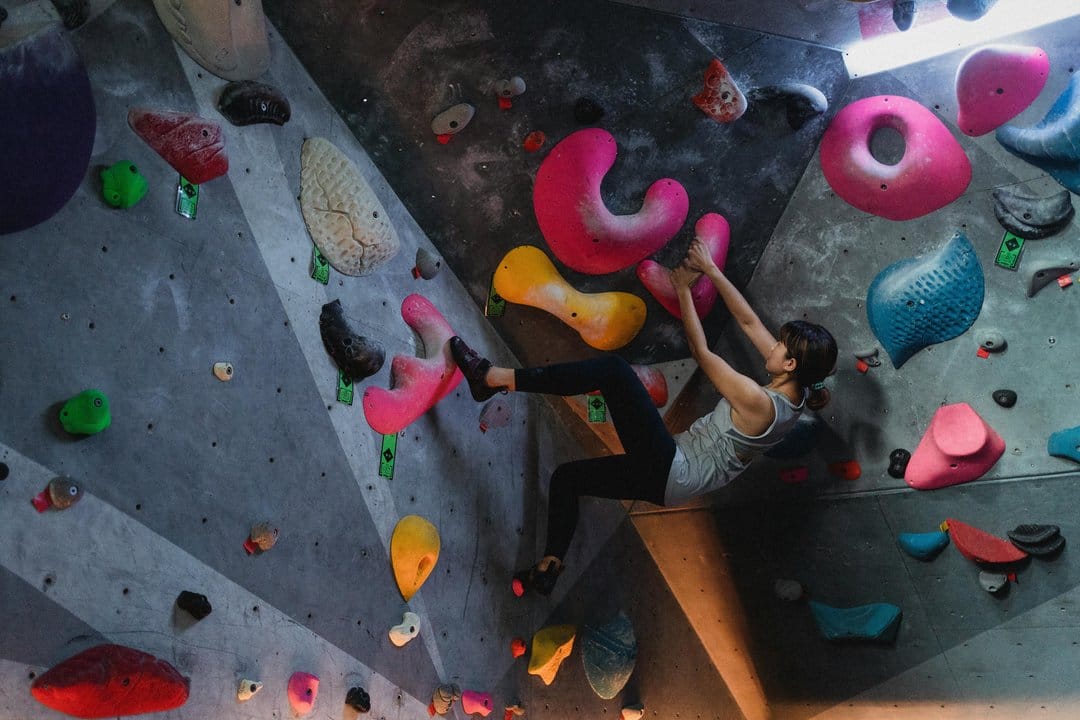
Of all the ways into climbing, bouldering is the friendliest. There are no ropes, no harnesses, no partner required and very little kit — just you, a wall a few metres high, thick safety matting below, and a problem to solve. It's part physical challenge, part puzzle, and it's exploded in popularity precisely because almost anyone can walk into a centre and have a go on their first afternoon. If you've been curious, this summer is a fine time to start.
What bouldering actually is
Bouldering is climbing on short walls or rocks — typically up to around four or five metres — without ropes. Because you're never high up, safety comes from thick crash matting and learning to fall and land properly, rather than from being roped in. Routes are called "problems," and that word is telling: each one is a sequence of holds you have to work out and execute, often requiring as much thought as strength. The combination of movement and problem-solving is what hooks people.
Start indoors
For a beginner, an indoor bouldering centre is by far the best starting point, and they've sprung up in towns and cities across the UK. Indoors you get a controlled, padded environment, holds bolted to the wall in set problems, clear grading, and staff on hand. You'll do a short induction covering the basics — how to fall safely, how the grading works, the etiquette of not climbing beneath someone — and then you're away.
The cost is low compared with most adventure sports: a day pass and shoe hire at most walls is genuinely affordable, with monthly memberships if you get hooked. There's no expensive gear barrier and no need to commit before you know you'll enjoy it.
The kit (there's barely any)
One of bouldering's charms is how little you need:
- Climbing shoes — the one item that matters. They're snug and rubber-soled for grip. Hire them at first; buy a pair once you know you're sticking with it.
- Chalk — to keep your hands dry on the holds. A chalk bag is cheap, and most centres sell it.
- Comfortable, flexible clothing you can move and stretch in. That's it — no helmet or harness for indoor bouldering.
Grades, and why not to obsess over them
Problems are graded by difficulty, usually colour-coded at indoor walls, and it's tempting to chase higher numbers from day one. Don't. As a beginner, spend your time on easier problems building good technique and confidence. Climbing is far more about technique than raw strength — using your legs to push rather than hauling with tiring arms, keeping your weight close to the wall, and moving precisely. Beginners who muscle everything burn out fast and plateau; those who learn to move well progress much further.
Climbing safely
Bouldering is low to the ground, but the falls are real, so safety is worth taking seriously from the start.
- Learn to fall. Land on both feet with bent knees and roll backwards onto the mat rather than stiffening up or sticking out an arm to break the fall — that's how wrists get hurt.
- Never climb above or below someone. A falling climber and a person beneath them is the most common cause of injury at a wall.
- Down-climb when you can rather than jumping from the top of every problem; your knees and ankles will thank you.
- Warm up properly — fingers, wrists and shoulders take a lot of load, and cold tendons are easily tweaked.
- Build up gradually. The tendons in your fingers strengthen more slowly than your muscles, so resist the urge to climb hard every day at first — finger injuries are the classic overenthusiastic-beginner mistake.
From indoors to outdoors
Once you've found your feet, the UK has a rich outdoor bouldering scene — the gritstone of the Peak District is world-famous, and there are spots across the country. Outdoor bouldering needs more kit (portable crash pads, a brush, ideally an experienced partner or group) and more care, since the landings aren't padded floors and the problems aren't marked out for you. It's a brilliant progression, but learn the movement and the falling safely indoors first.
Why it's worth it
Bouldering gives you a genuine full-body workout that rarely feels like exercise, a steady sense of progress as problems that baffled you suddenly click, and a sociable, welcoming community that's happy to share tips with newcomers. Low cost, low barrier, high reward. Find your nearest wall, book an induction, and give it an afternoon — most people are surprised how quickly the puzzle of it takes hold.