Enduro Racing in 2026: Why the Working Man's Weekend Discipline Is Quietly Eating Downhill's Lunch
Downhill has the helicopter shots and the World Cup glory. Enduro has the riders. Here is why the gap is widening in 2026 and what it takes to line up at your first round.
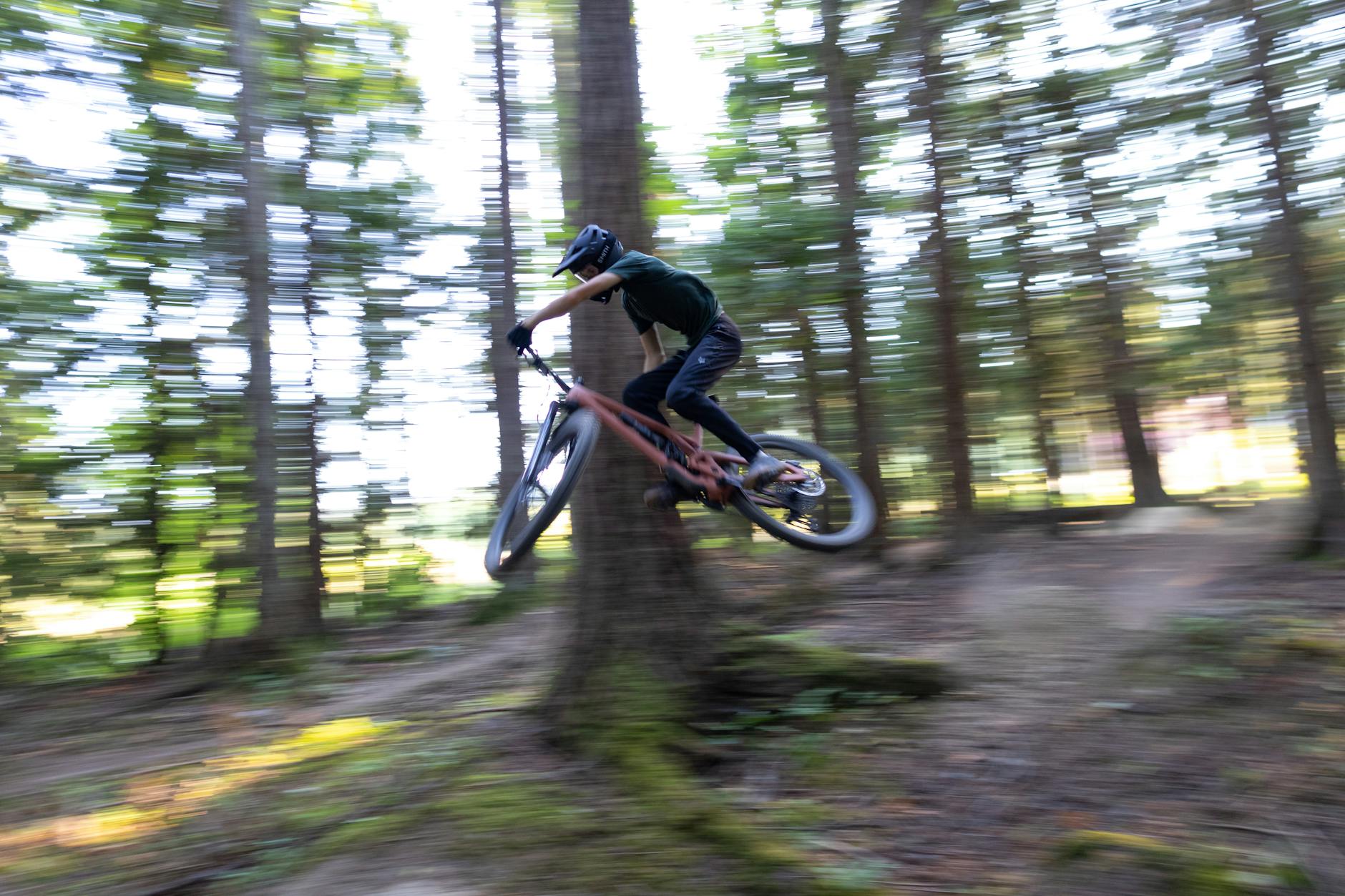
Stand at the top of a stage at the EWS round in Finale Ligure and you will notice something the broadcast never shows you: most of the men clipping in for their race run drove there in a van after a full work week. They are not sponsored. They paid an entry fee, pedalled to the start, and they will pedal between every timed section all day. That is the whole point of enduro, and in 2026 it is the reason the discipline has pulled ahead of downhill in nearly every metric that matters to ordinary riders.
Downhill is still the spectacle. The UCI World Cup rounds at Fort William and Leogang in June draw the cameras, the 80 km/h speeds and the wrecks that go viral. But the start lists tell the real story. A downhill World Cup field is a closed world of maybe 150 elite athletes. An enduro round like the Trans-Savoie or a regional UK round at BikePark Wales will put hundreds of amateurs on the same stages the pros ride, on the same weekend, racing the same clock. You cannot do that in downhill. You can in enduro, and that single fact is why the sport is growing while pure downhill participation has flattened.
What enduro actually demands that downhill does not
Downhill rewards a 4-minute maximum effort and a willingness to ride above your skill. Enduro rewards something harder to fake: aerobic durability across four to six timed stages with brutal liaison climbs in between, often totalling 1,500 metres of descending and a similar amount of climbing in a single day. A downhill racer can be unfit and still be fast for four minutes. An enduro racer who blows up on stage two has lost the day no matter how good their first run was.
This is the part that suits working men in their thirties and forties, and it is no accident the demographic skews that way. The fitness you build commuting and doing weekend rides translates directly. You do not need a shuttle, an uplift fee, or a full-face budget for body armour you will wear twice a year. A trail or enduro bike — a Santa Cruz Megatower, a Specialized Stumpjumper Evo, a Canyon Spectral 125 around the £3,000–£5,000 mark — does the racing and the Sunday ride. The same bike cannot do a downhill World Cup. The economics alone explain a lot of the migration.
The 2026 calendar is the most accessible it has ever been
The Enduro World Series folded into the UCI's Enduro World Cup structure a couple of seasons back, and the messy transition that worried a lot of people has settled. For 2026 the racing splits cleanly: the elite World Cup rounds run alongside open amateur categories at most venues, and the national series in the UK, France and the US have never been deeper. The PMBA Enduro Series in northern England regularly sells out within hours of registration opening — that is not a niche sport behaving like a niche sport.
Here is the honest counterpoint, though. Enduro's growth has a cost, and it is the stages themselves. Race tracks now feature blind, high-consequence sections that did not exist five years ago, because the racing got fast enough to demand them. The injury profile has crept upward. A blown landing on a liaison-fatigued body in stage five is a different proposition from the same mistake fresh on stage one, and the medical tents at bigger rounds see more wrist and collarbone injuries than the sport's "it's just trail riding with a number plate" reputation suggests.
How to line up at your first round this summer
Do not start with a World Cup-adjacent round. Start with a local club race where the stages are within your normal riding ground. The skill that separates a good first result from a disaster is not raw speed — it is pacing the liaisons so you arrive at each stage start with something left. Most first-timers empty the tank climbing and then ride the timed stages tired and slow, which is exactly backwards.
- Pre-ride every stage you are allowed to. Enduro rewards line knowledge more than any other gravity discipline, and the riders who walk or practice the tricky sections beforehand consistently beat faster riders who went in blind.
- Run tyre inserts. A flat on a timed stage is the single most common way a strong rider loses a podium, and a CushCore or Rimpact insert at roughly £100 a pair is cheaper than the entry fee you just wasted.
- Carry your own tools, a spare tube, a chain link and water for the whole day — there are no feed zones between stages, and a mechanical you cannot fix means a DNF.
The riders who treat their first round as a hard day of riding with a clock running, rather than a race they need to win, are the ones who come back for a second. And almost all of them do. There is something about racing the same dirt the pros raced, on a bike you rode to work on Friday, that downhill from the spectator fence will never give you.