Canyoneering the Southwest in Late May: Slots, Swims and the Window Most People Miss
Late May is the best-kept secret in Southwest canyoneering — snowmelt-fed water, low crowds, and permits still available on Zion's Subway. Here's the full breakdown of routes, gear, and the flash-flood intelligence most beginners skip.
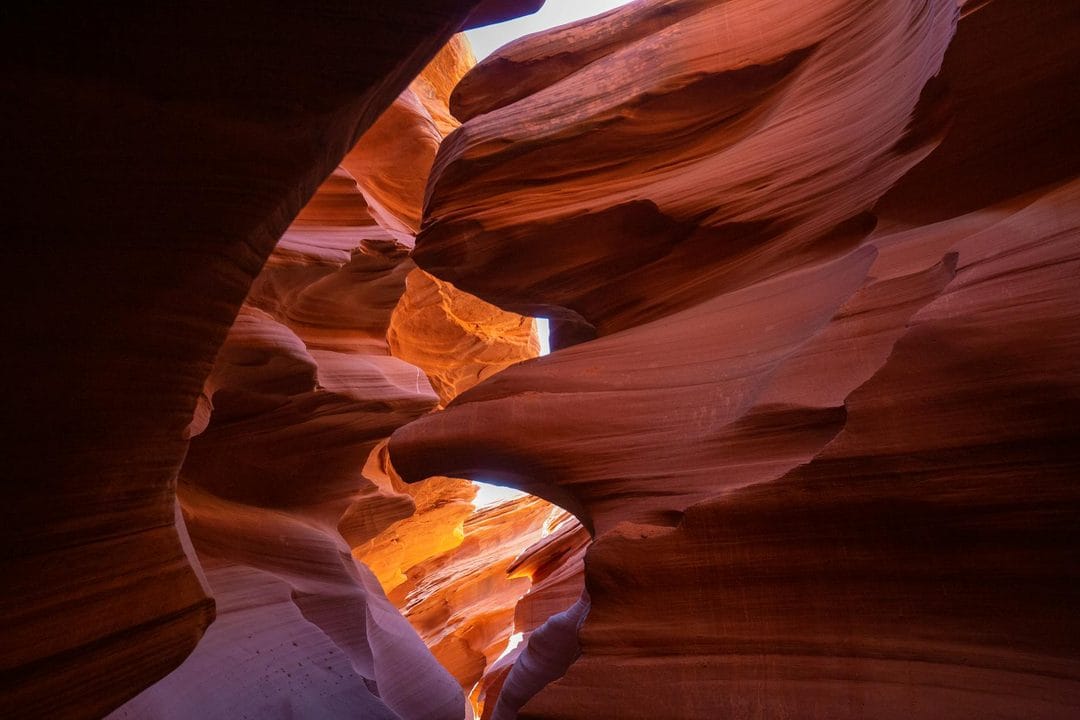
Why the Late-May Desert Canyons Beat Everything Else on the Calendar
Most people think canyoneering season in the American Southwest peaks in September, when the monsoons have cleared and the crowds have thinned. They're wrong. The window that runs from late May through the first two weeks of June — after the last cold-weather technical approaches but before the brutal midday heat makes slot canyons genuinely dangerous — is quieter, more photogenic, and technically more rewarding than anything autumn offers. If you've been sleeping on it, this is the year to fix that.
The reason late May works in ways October doesn't comes down to light, water levels, and permits. The low sun angle in the pre-solstice window pushes warm light deep into slots that go dark and frigid in fall. Zion's Subway, which spends September half-shadowed in its narrowest choke, glows amber for a full three hours between 9 and 11 a.m. in late May. Water levels in technical swims like the Keyhole Canyon system are fed by snowmelt rather than monsoon surge — predictable depth, no sudden cold shock. And the permit systems that throttle August traffic to the Narrows or the Havasupai drainage are still operating in shoulder-season mode.
Gear That Actually Matters in Technical Slots
There's a tendency among new canyoneers to over-invest in rope systems and under-invest in the gear that keeps them alive when the temperature swings 40 degrees between 7 a.m. and noon. Here's what to prioritise.
A 7.5mm canyon rope in 30-metre and 60-metre lengths covers 95% of single-pitch rappels in the Escalante, Zion, and Canyonlands systems. Metolius and Sterling both make dedicated dry-treated canyoneering lines that shed water without going stiff — the Metolius 9.1mm Dynamic runs around $180 for a 60-metre coil and will last three to four seasons of regular use. Avoid standard climbing ropes in technical canyon work: they absorb water, get heavy, and the core bunches on rope pots. The Sterling C-IV Canyoneering Rope at 6.9mm is worth knowing if you're doing long swims with a loaded pack — every ounce on those pothole traversals adds up.
Wetsuits are where most beginners cut corners and then complain about the cold. The late-May water temperature in a technical slot fed by snowmelt runs 48–54°F even when the air above is 80°F. A 3/2mm full suit (O'Neill Reactor 2 or the Patagonia R1 wetsuit, both around $150–200) keeps you functional through a two-hour swim section. Some canyoneers go with a 2mm top and a drysuit bottom for the long Coyote Gulch traverses, which is perfectly valid — drysuit bottoms from NRS run $120–180 and pair with anything.
Helmet. Always. Not a climbing helmet — an actual whitewater or canyoneering helmet like the Petzl Meteor or the Bern Baker hardshell. Slots flood with zero warning when upstream thunderstorms hit, and the walls in narrows have corners that will knock you flat at speed.
The Routes Worth Booking Now
The Subway in Zion requires a permit lottery that fills six months in advance for peak dates, but the late-May bottom-up technical approach (as opposed to the top-down hiker route) has same-day walk-up permits available most weekdays right now. That's a 9.5-mile technical canyoneer that includes two rappels, six hours of swim-and-wade through slot, and a final scramble that exits into sunlight at the Kolob Terrace trailhead. You need a wetsuit, a 30m rope, and a confident swimmer in your group — the second pothole section in the Subway has a 25-foot swimming traverse that isn't optional.
Buckskin Gulch, the longest and deepest slot canyon in North America, runs 21 miles from Wire Pass to Lee's Ferry trailhead. There's no lottery, no timed entry, just a Wire Pass trailhead fee of $6 per person. The late-May run has one serious consideration: the Paria River at the confluence can be knee-to-thigh deep, which is wading water, not swimming water. Check the USGS gauge at the Paria near Kanab — anything above 20 cubic feet per second requires route reassessment. Below that, it's the single most dramatic all-day descent in the country, free of crowds until Memorial Day weekend.
For technical progression, the Leprechaun Canyon and Birthday Canyon systems in the San Rafael Swell offer 60–100-foot rappels into chambers that almost nobody knows about outside the Utah canyoneering community. No permits. No fees. Approach via dirt road from I-70 Exit 129, and bring 4WD — the road after rain is a different conversation entirely.
The Flash Flood Question Everyone Skips
Flash flood risk is real and it kills people who thought they checked the weather. Here's the part most beginners miss: the storm doesn't have to be anywhere near you. The Paria drainage covers 1,400 square miles of plateau. A thunderstorm over the Kaibab Plateau, 80 miles away, produces a flood pulse at the confluence six hours later — by which time the sky above Wire Pass is perfectly clear blue. Checking the forecast at Kanab tells you almost nothing about upstream conditions.
The two tools worth bookmarking: the National Weather Service Zion–Escalante zone forecast (weather.gov/slc) and the USGS streamflow gauges at Paria River near Kanab (Site 09382000). If the gauge shows any rising trend in the 24 hours before entry, don't go. This is non-negotiable, and no canyon is worth overruling it.
That said — and this is the nuance most fear-focused safety talks omit — the late-May window in the Colorado Plateau is statistically the lowest flash-flood-risk period of the year. Monsoon season starts in earnest in July. Pre-monsoon late May has the fewest convective systems of any warm-weather month. You're not avoiding canyons to stay safe; you're choosing your window thoughtfully.
Fitness and Training for Multi-Day Descents
A single-day slot like the Subway or Wire Pass tests general fitness and cold tolerance more than anything else. But if you're targeting a multi-day descent — Zion Traverse, the full Escalante River corridor, or a self-supported Coyote Gulch-to-Zion linkup — you need to train specifically for loaded swimming with a pack, chimneying under sustained load, and controlled downclimbing on wet sandstone.
The single most effective non-canyon training for slot season is loaded rucking with a pack in the 30–40-pound range, three sessions per week at a sustained pace. Combine that with a rock climbing gym progression that prioritises horizontal friction moves and mantles over vertical pulling — the hip flexor and core engagement that keeps you moving efficiently on canyon walls is completely different from what vertical sport climbing builds. Wet sandstone has less than half the friction coefficient of dry, which changes how aggressively you can weight your feet on low-angle traverses. Train for it.
Swimming with a canyon pack in open water before your first technical trip is worth doing once — not because you'll necessarily be swimming hard in a slot, but because knowing your pack's buoyancy behavior and your own breathing pattern under cold water removes a cognitive load you don't want mid-canyon.
What Most People Get Wrong on Their First Technical Canyon
First-timers over-rack and under-manage group pace. A canyoneering rack for most Southwest desert slots is: one 30m rope, one 60m rope, two rigging plates (Petzl Reverso 4 or the Black Diamond ATC Guide), four to six locking carabiners, two or three non-lockers, one personal anchor system, one rappel device per person, one helmet per person, and webbing for anchor construction. That's it. You don't need ascenders, traxion pulleys, or a full trad rack unless you've confirmed specific aid moves are in the beta.
Group pace is what makes or breaks a canyon day. A six-person group in a technical slot typically moves at half the speed of a three-person group — every rappel takes twice as long, every swim has twice as much waiting at the exit. The Subway in a group of four takes six to seven hours at a relaxed pace. In a group of eight, it's regularly a nine-to-ten-hour day, and you're finishing the final scramble in fading light. Go with three or four people, brief thoroughly at the trailhead, and keep the group moving.