Wingsuit Flying in 2026: What It Actually Takes to Fly a Suit Off a Cliff
Two hundred skydives is the real floor before anyone teaches you to fly a wingsuit — here's what the training path, gear costs, and risk data actually look like in 2026.
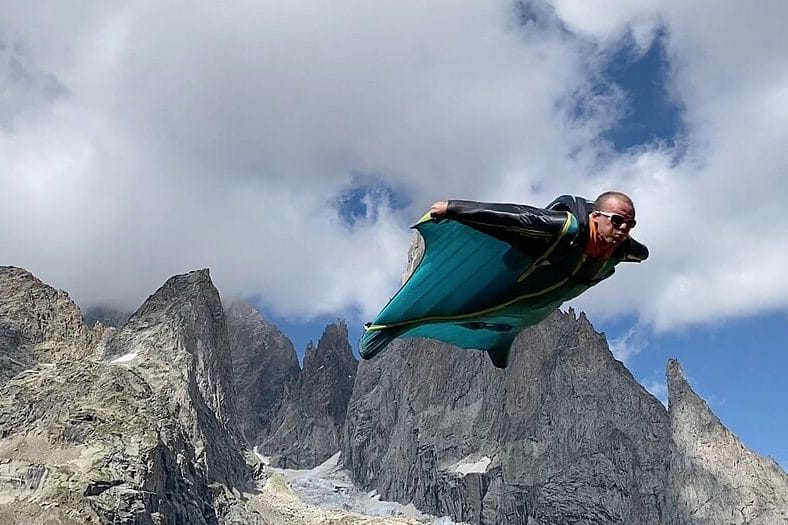
Two hundred jumps. That's the number a lot of newcomers assume is a bureaucratic hurdle someone invented to sell more skydiving tickets. It isn't. It's the rough floor the sport's own manufacturers and instructors settled on after watching what happens when pilots strap on a wingsuit before their bodies have learned what freefall actually feels like — and the number exists because people died finding it out the hard way.
Wingsuit flying looks, from the outside, like the purest expression of human flight anyone's managed without an engine. A pilot leaves an aircraft or a cliff edge, the fabric between their arms and legs inflates into a rigid airfoil, and for a minute or two they're gliding at speeds that can hit 150 mph horizontally while descending at a fraction of a normal skydiver's rate. Glide ratios of 2.5:1 or better are routine for a competent pilot on a modern suit. That's the appeal. It's also exactly why the entry requirements exist, because a wingsuit doesn't make you a better flyer — it just changes the consequences of the mistakes you were already going to make as a beginner.
Skydiving first, wingsuit second — there's no shortcut around this
Every credible First Flight Course in the US will turn you away without a minimum of 200 freefall skydives and a USPA B-license, and most reputable instructors quietly push that toward 300 if you're aiming at anything beyond a stable belly-to-earth exit. The reasoning has nothing to do with gatekeeping. A wingsuit changes your body position, your fall rate, your ability to track relative to other jumpers, and — critically — your ability to get stable and deploy a parachute if something goes wrong at 3,000 feet with fabric between your limbs. You need those reflexes to already be automatic before you add a wing to the equation, because there won't be spare attention left over to think about them mid-flight. Skip the fine print and it costs more than money. Coaches at drop zones like Skydive Perris and Skydive Chicago will tell you flatly that the newer arrivals with sub-200 jump counts asking about wingsuits get redirected, not accommodated — and if a DZ won't gate it, the manufacturer will. Squirrel, Phoenix-Fly, and TonySuits all require sign-off documentation from an instructor before selling a first suit to anyone claiming borderline jump numbers, because liability lawyers learned this lesson for them years ago.
What those 200 jumps actually cost
Getting to a B-license isn't cheap and nobody in the sport pretends otherwise. A basic AFF course runs $1,500–$2,000 to first solo certification, and each subsequent jump at a US drop zone averages $25–$35 for the plane ride alone once you own your own gear, plus $200–$300 for a used rig if you're not renting. Budget realistically for $6,000–$9,000 all-in to arrive at 200 jumps as a self-funded weekend jumper spread over a year or two. Tunnel time helps close the gap faster — an hour at iFly or Airkix runs roughly $85–$100 and can compress months of body-position learning into a handful of sessions, though it won't substitute for real jump numbers on your license.
Your first suit: gear that actually matters
A First Flight Course suit — something like the Squirrel Swift or Phoenix-Fly Vampire 4 — runs $1,700–$2,500 new, deliberately conservative in wing area so a first-timer can't get themselves into trouble the airfoil didn't design for. Buy secondhand from a reputable seller and you'll knock a third off that, but inspect the fabric and zippers yourself or have a rigger do it; a suit with a failed zipper at exit altitude is not a minor inconvenience. Your existing skydiving rig usually works underneath a beginner suit with no modification, though your container needs enough room for the wing fabric to clear on deployment — riggers check this specifically before your first jump, and it's worth the $40 inspection fee rather than guessing.
Buy the entry-level suit. Don't let a salesperson or an eager forum thread talk you into a bigger wing for your first ten jumps because it "flies better" — it flies better for someone who already knows how to fly, and for you right now it just means more surface area to manage while you're still learning to exit cleanly and track straight. Move up in suit size roughly every 25–50 jumps as your instructor signs off, not on your own schedule.
Terrain flying is a different sport, and BASE numbers back that up
The sport doesn't sugarcoat this one.
Everything above describes wingsuit skydiving — leaving a plane at 12,000–14,000 feet with thousands of feet of open air below you before terrain becomes relevant. Terrain flying, called proximity flying, where pilots fly close to cliff faces, ridgelines, or through valleys, is a categorically different activity built on top of BASE jumping experience, not skydiving jump counts. The accepted minimum before anyone reputable will mentor a first BASE jump is around 200 skydives plus specific canopy control training — and then a separate 50-plus BASE jumps, typically all from static objects with wide-open landing areas, before wingsuit BASE even enters the conversation.
The sport doesn't hide from its own numbers here — it publishes them. blincmagazine.com has maintained a public BASE fatality list since the 1980s, compiled by jumpers themselves rather than an outside regulator, and it's grim reading: dozens of deaths most years across the global BASE and wingsuit proximity community, concentrated overwhelmingly among pilots flying close terrain lines rather than open skydives. That list exists precisely because the community decided transparency beats sanitizing the risk, and every serious mentor will point a newcomer to it before agreeing to teach them anything.
This is where the sport's own culture gets uncomfortable with itself. The same pilots who'll spend an hour explaining conservative progression will also, in the same conversation, describe the pull of flying a line six feet off a rock face at 120 mph as the reason they got into this in the first place. Nobody in the community pretends those two things sit easily together.
Where pilots are actually training and flying in 2026
Skydive Perris in California and Skydive Chicago both run dedicated wingsuit coaching programs with instructors current on USPA wingsuit endorsement standards, and either is a solid starting point if you're not near a specialty wingsuit boogie. For terrain flying proper — the discipline most people picture when they hear "wingsuit" — Lauterbrunnen in Switzerland remains the sport's spiritual home, though access there has tightened considerably following the 2026 permit revisions covered in our BASE jumping piece on the valley, and pilots without established local relationships now face real queues for exit slots. The Perrine Bridge in Twin Falls, Idaho stays the most accessible legal BASE exit in the US for building the jump numbers terrain flying eventually demands, precisely because it's legal, static, and forgiving of the early mistakes everyone makes. Indoor tunnels have quietly become as important as the exit points themselves. A pilot who spends ten hours in a vertical wind tunnel before their first wingsuit jump arrives with body-position instincts that used to take thirty jumps to build the hard way, and several US coaching programs now build tunnel blocks directly into their First Flight Course curriculum rather than treating it as optional extra polish. Book that tunnel time in one-hour blocks spread over a few weekends rather than a single marathon session — the body-position corrections stick better with a night's sleep between them.
The honest verdict
If you're a skydiver with 200-plus jumps who's been eyeing this for a year, take the First Flight Course from an instructor with actual wingsuit-specific certification — not just a general skydiving coach rating — and budget the conservative suit progression rather than rushing it. That's the better path, full stop, and any instructor telling you otherwise is optimizing for a sale rather than your safety. If you're newer to skydiving and just want the feeling of flight, an hour in a wind tunnel will give you more of what you're actually chasing, sooner and for less money, than jumping the queue toward a wingsuit you're not ready to fly. Terrain flying is a separate decision entirely, one that deserves its own year of thought rather than an impulse booked after watching someone else's helmet footage.