Trad Climbing Gear Rack: What to Buy First and What Can Wait
A full trad rack costs $2,500 but you don't need it all in year one. Here's the real progression.
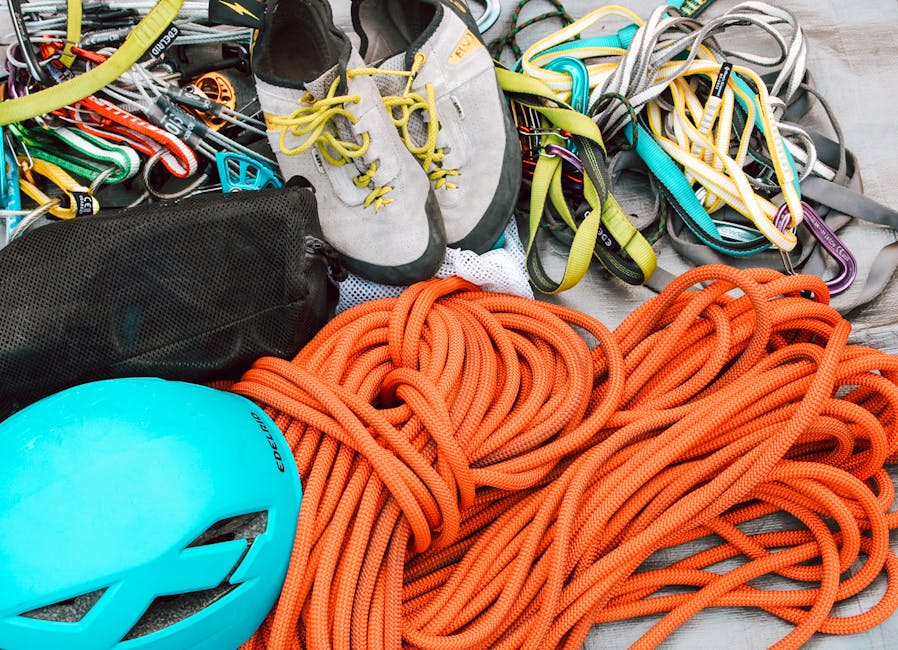
A full trad rack costs around $2,500 if you buy it new all at once. This is both the honest answer and the one nobody new to trad wants to hear. The good news is you don't need all of it at once. The bad news is most guides and forums will tell you to buy things you won't actually place for two years.
I've watched more gear rot in closets than I've seen used on climbs. The rack you should own in your first year is different from the rack you'll own at year five. Build incrementally, borrow where you can, and don't let Reddit talk you into tricams before you've followed ten pitches.
The Starter Rack: What to Buy Now
If you're following your first trad routes and starting to lead easy stuff, here's what you actually need. A single set of cams from #0.4 to #3 in either BD C4s or Wild Country Friends. That's six cams. Pair them with a full set of nuts, probably the DMM Wallnuts or BD Stoppers. That's eleven nuts and around $500 for cams plus $150 for nuts.
Add six to eight 60cm slings with carabiners (alpine draws), four quickdraws, a cordelette, a personal anchor system or double-length sling, two locking carabiners for belaying, and a nut tool. The nut tool is the single most undervalued piece on a trad rack. A stuck nut without a nut tool ruins your day.
Don't buy offset nuts, tricams, big bros, or #4 cams yet. You'll know when you need them. If you climb in Yosemite or Indian Creek, this list changes, but for general East Coast or European trad, the starter rack above handles most routes up to 5.9.
Starter rack cost breakdown
- Cams #0.4 to #3: ~$600
- Set of 11 nuts: ~$150
- 6 alpine draws: ~$180
- 4 quickdraws: ~$100
- Slings, cordelette, lockers, belay gear: ~$200
- Total starter rack: ~$1,230
What You Can Borrow for a Year
Rope, helmet, harness. These are your partner's territory usually. Most climbers have extras. Borrowing a rope is awkward but not unusual. A borrowed 60m dry-treated rope lets you put your money into protection first.
Here's a tip nobody tells you: rent from your local gym's guide service for the first six months. Some shops will rent trad racks by the weekend for $40 to $60. This lets you figure out what size cams you actually use before you spend money owning them.
I rented Mountain Project's Squamish trad rack twice before I bought my own. The second time I rented, I knew I wanted doubles in #1 and #2 Camalots because I'd placed them on every pitch. That saved me from buying doubles in sizes I didn't need.
The Expansion Phase
After your first season of trad leading, you'll know what your climbing style is. Maybe you crack climb in the Creek. Maybe you do alpine rock in the Cascades. Your second-year purchases should be ruthlessly specific to the climbing you do.
For Indian Creek: doubles in #0.75 through #3, plus a #4 and maybe a #5. You'll place these cams on every route. Skip offset nuts. They're useless in splitter cracks.
For Yosemite: add a set of offset nuts (DMM Offsets or BD Offsets), doubles in #0.5 to #2, and a #4 if you'll do anything wide. Yosemite granite is famous for flaring cracks, which is why offset nuts shine there.
For New England and Gunks: triples in #0.3 to #1, offset nuts, and small brass nuts. The cracks are thin and the gear has to be precise.
What to skip even when you have money
- Tricams - useful in specific placements but rarely necessary
- Big Bros - essential for offwidths only; 90% of climbers never place one
- Hexes - historical artifact, skip unless you're winter alpine
- Cam hooks - aid climbing only, not free
Maintenance and Longevity
Cams last decades if you don't drop them or let them sit in saltwater. Clean them in fresh water every six months, lubricate the springs with a dry lube like Metolius Cam Lube, and inspect the sling and stitching annually. If a sling looks fuzzed or has any cuts, replace it. Most gear companies sell replacement slings for $15 to $20.
Nuts last forever unless they get bent beyond shape. Slings and cord should be replaced every 3-5 years depending on UV exposure. A $20 sling that saved your life is cheap. A 6-year-old sling that fails is unforgivable.
The most important maintenance habit is inspecting every piece before each climb. You don't have to be obsessive, but a ten-second look at each cam before you rack it is worth it. Gear fails rarely, but it fails catastrophically when it does.
The rack you build over three years tells the story of your climbing. Mine has a stuck #2 Camalot from a Red Rocks route, a cam with a replaced sling from a Squamish fall, and a set of nuts from an old partner who moved away. That's how the best racks get built.