Paragliding XC: From Thermalling to Cross-Country Flights
XC paragliding separates casual pilots from serious ones. Riding thermals to cover 50-200+ km of ground.
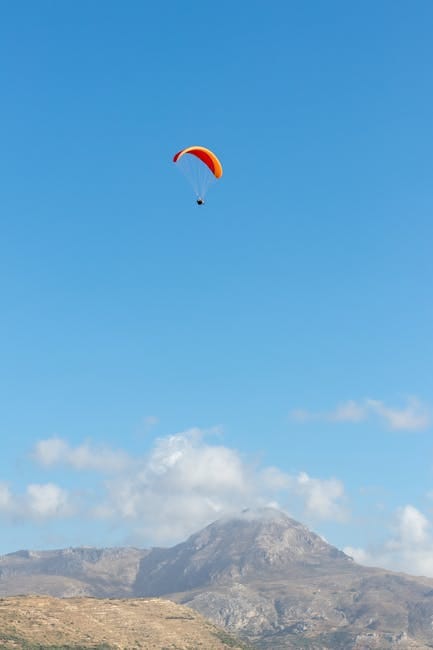
Paragliding XC - cross-country flying - is what separates casual paragliders from serious pilots. You don't just take off and land at the same spot. You take off, ride thermals to altitude, glide to the next thermal, and cover distance. Good XC pilots fly 50-150km on good days. Elite pilots occasionally fly 400-500km.
I've been paragliding for eight years and doing XC for six. The transition from basic flying to genuine XC takes 2-3 years for most pilots. It requires more than just flying skill - it requires weather reading, terrain knowledge, and strategic thinking.
What XC Flying Actually Is
You launch from a site. You ride thermals up. You glide toward the next thermal. You ride it up. You glide again. You continue until you land - either because conditions die, you find a good landing zone, or you complete your target distance.
Distance is measured from takeoff to landing. Common XC distances: 20-50km (beginner/intermediate), 50-100km (intermediate/advanced), 100-200km (advanced), 200+km (elite).
Most pilots use triangle flights for FAI distance records (out, back, triangle). Straight-line flights are also valuable but less about record-setting.
XC distance categories
- First XC: 5-15km (after launch to landing)
- Intermediate: 20-50km
- Serious: 50-100km
- Advanced: 100-200km
- Elite: 200+km
Thermalling: The Core Skill
Thermalling is riding columns of rising air upward. Good thermals give 2-5m/s of lift. Great thermals give 6-10m/s. You circle tightly in the thermal core, maintaining altitude or climbing, for minutes at a time.
Thermal shapes: some are columnar (tight, powerful), some are broad (weak but large), some are fragmented. You learn to read thermals by watching birds, other pilots, and your own climb rate.
Techniques:
- Tight circles (30-40m radius) for strong thermals
- Wider circles for weak thermals
- Follow drift if in strong wind
- Switch direction if climb stops
Tracking birds: raptors find thermals better than humans. If a buzzard or eagle is circling, they're in a thermal. Fly there, then ride the thermal with them.
Gliding Between Thermals
Between thermals, you glide. Glide ratio for modern paragliders: 9:1 to 12:1 depending on glider class. 10:1 means 10m forward for each 1m down.
Strategy: glide toward high terrain that might generate thermals. Rock faces, south-facing slopes (in Northern Hemisphere), and clearings in forests all potentially produce thermals.
Speed-to-fly: fly slightly faster in sinking air and slower in lifting air. This optimizes your glide through varied conditions. Most modern gliders have audible cues via variometer.
Altitude management: don't glide too low. You want to arrive at the next thermal with altitude to spare. 100-200m minimum above terrain ideally.
Weather Reading
XC weather requires: stable air mass, moderate wind, good thermal activity, safe landing options.
Wind: above 25km/h becomes difficult. Above 35km/h dangerous. Check wind aloft as well as ground wind.
Cloud base: higher cloud base = more altitude to work with. 1,500m cloud base = short flights. 2,500m+ = XC possible. 3,500m+ = long XC days possible.
Atmospheric stability: unstable air = strong thermals but possibly dangerous. Stable air = weak thermals, no XC. Moderately unstable is ideal.
Weather sites: check windy.com, meteoblue, XCSoar, and PrévolSouthFrance for flight-specific forecasts. Each has pilot-focused features.
Ideal XC conditions
- Surface wind: 10-25 km/h (variable)
- Wind at flying altitude: 15-35 km/h
- Cloud base: 1,800m+ above takeoff
- Temperature gradient: slight to moderate instability
- Visibility: CAVOK or good weather minimums
Equipment for XC
Glider: EN-C class paragliders are the XC standard. More performance than intermediate EN-B, less dangerous than racing EN-D. Examples: Ozone Alpina, Advance Omega XC, Gin Explorer.
Reserve parachute: mandatory in all European countries, most others. One-handed throw, simple to deploy. Hand-pack reserves cost $400-700. Spring-loaded cost more.
Harness: XC-specific harnesses are more aerodynamic and comfortable for long flights. Pod harness or seat harness. Examples: Gin Genie Race, Ozone Exoceat, Advance Strapless.
Variometer: essential for XC. Shows climb/descent rate. Modern vario units (Flytec, Skytraxx, Ascent) have GPS integration, waypoints, and XC-specific features. $400-800.
GPS logger: records your flight. Modern varios have this built in. Used to claim FAI records.
Hiking kit: if you don't land at your takeoff, you walk back or get a ride. Small pack, water, food, phone.
XC kit breakdown
- EN-C glider: $4,500-6,500
- Reserve: $400-700
- Harness: $600-1,200
- Variometer: $400-800
- Helmet + clothing: $200-400
- Total XC setup: $6,000-10,000
Landing Zones
You land when thermals die, weather changes, or you reach your destination. Good landing zones are: flat, free of obstacles, open to approach from wind direction.
Field selection: 100m+ long, smooth surface, no power lines or buildings in approach path. Farmers often allow landings on their fields - ask first if possible.
Urban areas: avoid. Power lines, buildings, and traffic create real danger. Some pilots have died landing in cities.
Back-to-pad landings: if you can glide back to your takeoff pad, do so. This eliminates transport problems.
Safety in XC Flying
The core risk: landing in bad terrain. Plan ahead. Know where you can safely land along your flight path.
Dangerous thermals: thermals above 8-10m/s sustained can be rough. Turbulence inside them can collapse wings. Experience teaches you to read thermals before entering.
Mid-flight emergencies: stall, spin, wing collapse. These should be recoverable with training. Take a safety course annually to practice emergency procedures.
Mountain flying: terrain creates updraughts and downdraughts. Understand ridge lift, wind compression zones, and venturi effects before flying mountains.
Training Path to XC
Month 1-12: basic flying training. Obtain license. Get comfortable at local site in ideal conditions.
Year 2: move to intermediate glider. Fly varied conditions. Start short XC flights (10-30km) with experienced pilots.
Year 3: transition to XC class glider. Fly longer XC flights. Develop weather reading skills.
Year 4-5: independent XC flying. Flight planning, self-assessment, consistent 50+ km flights.
Year 6+: advanced XC pilot. Long flights, triangle courses, occasional records.
Famous XC Locations
Colombia (Valle de Cauca): consistent thermal activity year-round. One of the best XC locations in the world.
South Africa (Porterville): open landscapes, strong thermals. World records have been set here.
France (Annecy, Saint-Hilaire): classic European XC. Mountains and lakes provide varied conditions.
Switzerland (Interlaken): Alpine flying, dramatic terrain.
Utah (Salt Lake area): high-desert XC. Thermal-rich terrain, long flight days.
The Long Game
XC flying doesn't have a shortcut. It requires accumulating flight hours, weather knowledge, and decision-making experience. The pilots who fly 200+km flights have 500+ hours of flight time and 5+ years of experience.
Be patient. Each flight teaches you something. After 100 flights you'll know what thermals look like. After 500 flights you'll know what weather to fly. After 1,000 flights you'll be comfortable in almost any condition.
Paragliding XC is one of the most rewarding outdoor activities. You cover incredible distances. You see the landscape from angles no other sport offers. You make decisions that matter. When done right, it's both meditative and thrilling. When done wrong, it's fatal. Earn your progression.