Skyrunning: Stage Races vs Single-Day Vertical Races
Skyrunning is running at altitude on technical terrain at race pace. Here's the full format breakdown.
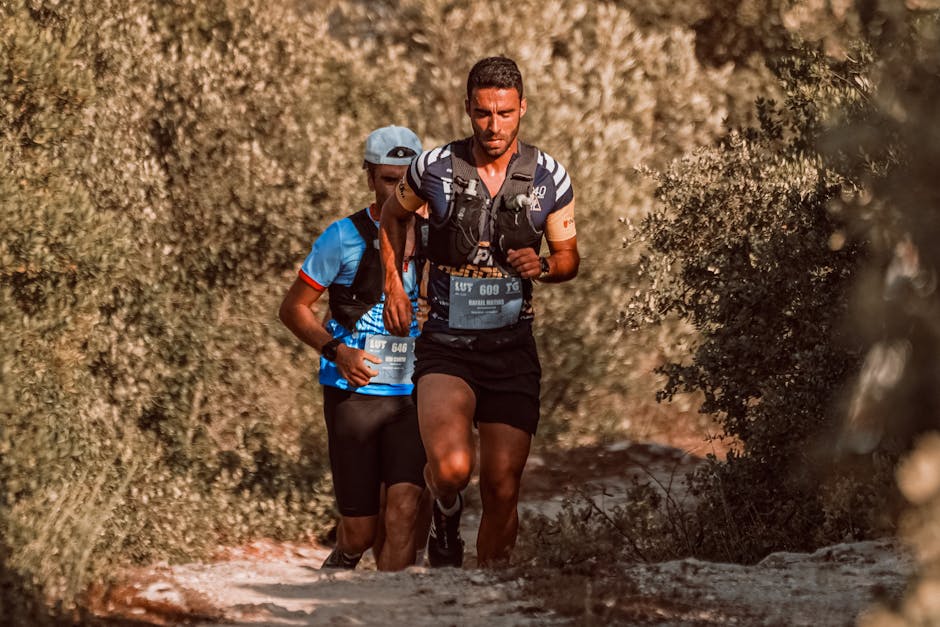
Skyrunning is running at altitude, on steep technical terrain, at race pace. The International Skyrunning Federation distinguishes the sport with a specific definition: races above 2,000m elevation on courses with at least 30% average gradient on climbs. These aren't ultras. They're something else. Fast, mountainous, and defined by the terrain more than the distance.
I've done skyrunning races from short Vertical Kilometers to longer mountain marathons. The formats split into two rough categories: single-day races (typically 20-50km) and stage races spread over multiple days. Each demands different preparation and different pacing mentality.
The Single-Day Vertical Categories
Vertical Kilometer (VK): 1000m elevation in less than 5km horizontal. Pure uphill, 30-45 minute effort.
Sky: 20-30km of trail with at least 1,300m of elevation gain. This is the classic skyrunning format - alpine terrain, technical sections, finishing at altitude.
Sky Ultra: over 50km with 3,000m+ vertical gain. Same technical terrain as Sky but longer duration. These are your 8-12 hour efforts.
Sky Extreme: 20-35km on highly technical terrain with exposed sections, often requiring rope, ferrata, or mountaineering skills. Tromsø Skyrace is the classic example.
Typical single-day race formats
- Mont Blanc Marathon (80km, 6,000m+) - classic Sky Ultra
- Matterhorn Ultraks (46km) - classic Sky
- Tromsø Skyrace (57km Extreme) - cult classic
- Fully VK (1.92km, 1,012m) - world-class VK
Single-Day Sky Race Pacing
Single-day sky races require high-intensity pacing throughout. You're running at 85-92% of max HR for the whole duration, with spikes into 95%+ on major climbs. This is not ultramarathon pace. It's mountain marathon pace at serious elevation.
The unique challenge: you'll alternate between running (flat or downhill), power hiking (moderate climb), and hard hiking/climbing (steep technical sections). Each mode has a different HR zone and muscle demand.
Pacing strategy: conservative start (first 30% of race at 80-85% HR), steady middle (next 50% at 85-92% HR), final push (last 20% at 92%+ HR).
The descent matters a lot. A runner who's conservative on ascents but aggressive on descents often outpaces a runner who hammers climbs and jogs descents. Practice descending in training; it's where races are won.
Stage Races: The Multi-Day Format
Stage racing in skyrunning is less formalized than in cycling or ultra running, but several events exist. Running the Alps stages (various Alpine countries), TransMartinique (Caribbean), and TMB Alps stages are all multi-day formats.
The advantage of stage races: you experience the mountains over days, not just hours. The demands spread across multiple days. Between stages, you recover and prepare for the next.
The disadvantages: logistics are more complex, costs are higher (often $2,500+ for a 7-day race), and you need more time commitment. For these reasons, stage races are less common than single-day sky races.
Training for Each Format
Single-day sky races require peak fitness in a narrow window. 10-16 weeks of training buildup. Focus on: VO2 max development, uphill running, sustained threshold pace. Weekly hours: 8-14 hours of running plus cross-training.
Stage races require durability more than peak speed. Longer training periods (16-24 weeks). Weekly hours higher (12-18 hours). Back-to-back long runs on weekends to simulate multi-day fatigue.
Both formats require altitude exposure if your race is above 2,500m. Weekend trips to altitude, altitude camp pre-race (ideally 2-3 weeks above 2,000m), or longer altitude residence if possible.
Training emphasis by format
- VK: VO2 max, short-duration intensity
- Sky (20-30km): threshold, technical ability
- Sky Ultra (50km+): endurance + threshold
- Stage race: durability, back-to-back performance
Technical Skills for Sky Running
Descending: most critical skill. You'll lose time on bad descents that can't be recovered. Practice on your training trails. Learn to run downhill aggressively without braking. Use legs as springs, not brakes.
Power hiking: efficient power hiking with poles is essential. Practice on 25-30% gradients. Focus on economy - you want to move uphill efficiently, not forcefully. Too many runners muscle power hiking and exhaust themselves.
Technical trail running: rocky, rooty, exposed. Run technical trails regularly. The physical demands are different from smooth trail, and the mental demands are higher (route-finding, fear management).
For Sky Extreme races: rope skills, via ferrata confidence, exposure comfort. These races run through terrain that would be serious mountaineering in other contexts. You can't learn these skills in your training week before the race.
Gear for Skyrunning
Shoes: technical trail shoes, aggressive grip. Salomon S/Lab Ultra, La Sportiva Mutant, Scarpa Spin Ultra. Light (under 300g per shoe) with strong grip in wet and dry.
Vest: 5-10L running vest with hydration. Salomon Agile, Ultimate Direction Ultra Vest, Nathan Vaporkrar. Enough capacity for mandatory kit plus food and water for 3-6 hours between aid stations.
Mandatory kit (varies by race): jacket (waterproof), hat, gloves, whistle, emergency blanket, first aid, map, compass, headlamp (for races into dark). Don't argue with mandatory kit - the rules exist because of past accidents.
Poles: often essential for serious sky races. Lightweight carbon poles. Leki Cross Ultra or similar. Save energy on climbs and stabilize on descents.
Race day essentials
- Trail shoes (300g per pair)
- Running vest (5-10L capacity)
- Poles (400-500g per pair)
- Hydration bladder or bottles
- Mandatory safety kit
- Sunglasses/hat/buff
Race Calendar Planning
Build a season of 2-4 target skyrunning races. Don't race every weekend - the recovery demands are too high. Space races 4-8 weeks apart, with build training between.
Typical competition season: April-October for Northern Hemisphere, October-April for Southern. Peak season is June-September for European Alps, July-October for Colorado/US West. Check local calendars for your target region.
Classic races to target in first season: Ultra Pirineu (Spain), Transvulcania (Canary Islands), Zegama Marathon (Spain), Matterhorn Ultraks (Switzerland), Limone Xtreme (Italy).
What Skyrunning Rewards
Aerobic power, technical skill, mountain experience, mental toughness, altitude tolerance. These are the five axes of skyrunning performance. Develop all five, not just one.
Runners who come from flat ultra running often struggle with the technical and altitude demands. Runners who come from alpine climbing often lack the aerobic speed. The sport rewards people who develop across categories.
Start with Sky races (20-30km) for your first season. Progress to Sky Ultra (50km+) after 1-2 seasons. Sky Extreme requires additional technical preparation and often mountaineering background. The progression is earned, not rushed.
Skyrunning is one of the most physically demanding running formats. The reward: running in the most beautiful mountain terrain on earth, at race pace, with other runners who share your obsession. Few sports offer that combination.