Ski Mountaineering Boots Compared: Scarpa, Dynafit, Atomic
The Scarpa, Dynafit, and Atomic boots each optimize differently. Here's how to choose.
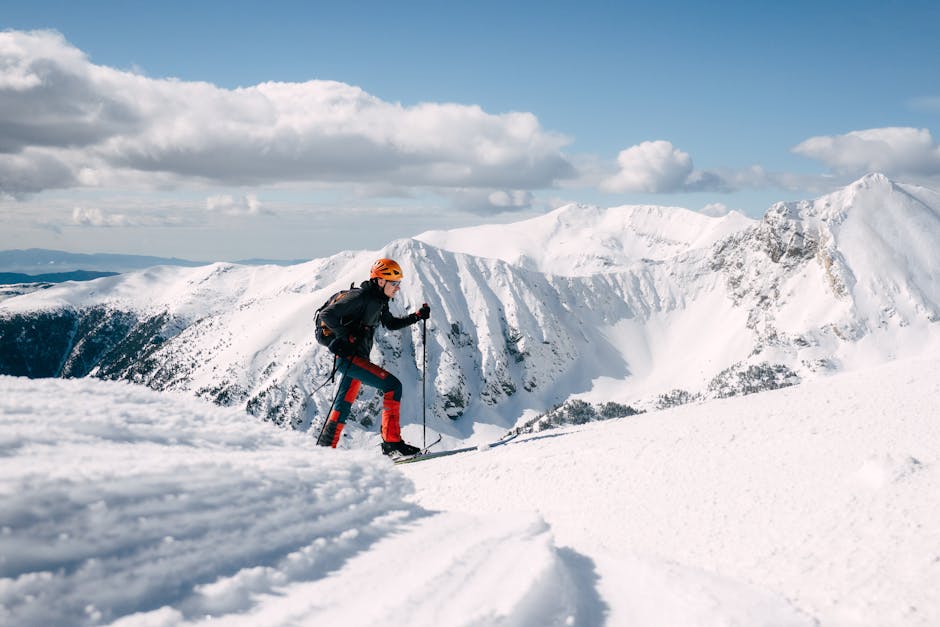
Ski mountaineering boots try to do two incompatible jobs. They have to walk uphill for hours without crushing your feet, and they have to ski down steep technical terrain without folding under you. Every major boot is a compromise between those two demands, and the compromise manifests differently depending on who made it.
I've owned four pairs of ski mountaineering boots across five seasons, which is probably excessive but taught me that there's no universal answer. The boot that works for a Colorado 14er tour is wrong for a Chamonix couloir. Here's how the three main players - Scarpa, Dynafit, and Atomic - compare when you're actually skiing hard.
Scarpa Maestrale: The All-Rounder Everyone Has
The Maestrale has been the default ski mountaineering boot for a decade. It's 1,375g in size 27, has 60 degrees of cuff rotation for touring, and flexes at around 120 for skiing. That's not stiff by resort-boot standards, but for backcountry use, it's plenty. The Intuition liner is warm and moldable. The BOA closure on the RS version is the big upgrade in 2023.
What the Maestrale does well is feel normal. You clip into bindings, you walk up the skin track, you ski down. Nothing dramatic. For beginners coming from resort skiing, the transition is smooth. Intermediate tourers often stay in the Maestrale for years because it handles 90% of what they'll do without fuss.
The Maestrale's weakness is steep, technical skiing. Push it into a firm 45-degree couloir and you'll find the flex runs out. The cuff also has a slight pivot delay in ski mode that experienced skiers notice. For spring corn and general backcountry laps, this is irrelevant. For serious ski mountaineering, it matters.
Maestrale lineup 2026
- Maestrale XT - stiffest, 130 flex, heaviest, $799
- Maestrale RS - BOA closure, 125 flex, 1,415g, $749
- Maestrale - standard, 120 flex, 1,375g, $649
Dynafit Radical and Hoji: The Touring Purist's Choice
Dynafit has a different philosophy. Where Scarpa optimizes for ski performance with decent touring, Dynafit optimizes for touring with acceptable skiing. The Hoji Pro Tour uses the Hoji Lock system, which gives genuinely effortless walk-to-ski transitions. If you've ever fumbled with a Scarpa's ski/walk lever while wearing gloves, you'll appreciate the Hoji immediately.
The touring performance of the Hoji is excellent. Cuff rotation is smoother than the Maestrale, the weight is comparable (1,395g), and the boot flexes naturally when you're walking. For long tours where you'll be on your feet eight hours, the Dynafit option shines.
Downhill, the Hoji feels slightly softer than a Maestrale RS. It's not a problem for most skiing, but on aggressive lines I find myself wishing for 5 more Newtons of forward flex. The Hoji also has a slightly wider forefoot, which is great for hammer-toe sufferers and awkward for narrow feet.
Dynafit picks
- Hoji Pro Tour - the classic, walk-mode king, $849
- Radical Pro - lighter, more racy, $795
- TLT X - pure touring, not for hard skiing, $649
Atomic Hawx Ultra XTD: Resort Skier's Backcountry Boot
The Hawx Ultra XTD is the answer to skiers who want backcountry access without giving up resort-level performance. At 130 flex (or 120 or 110 depending on model), it's the stiffest of the three mainstream options. It uses Prolite construction and comes with the Memory Fit liner that molds to your foot after a shop session.
The walk mode is the XTD's weakness. At 54 degrees of rotation, it's decent but not elite. The walk lever can ice up in deep cold. For someone tall and heavy who skis hard, the XTD is the right answer. For someone slight who skins uphill for fun, it's overbuilt.
I used the XTD 130 for two seasons of Wasatch backcountry and got along fine, but I swapped to a Maestrale RS for shorter tours. The XTD earns its weight on days when you're skiing technical descents and need the boot to respond under you.
Matching Boot to Style
If you ski mostly resort and want occasional backcountry access, buy the Hawx Ultra XTD 130. If you tour more than you ski resort and care about uphill speed, buy the Hoji Pro Tour. If you're somewhere in the middle and don't know what you want, buy the Maestrale RS. That's the honest answer.
Don't upgrade without a reason. A boot that fits your foot shape is worth more than the best-reviewed boot on the market. Spend an hour in a boot shop trying all three. The one that feels best out of the box usually stays best after 50 days.
One last thing: don't skimp on a bootfit. A good bootfitter can turn a mediocre boot into a great one. A bad fit wastes any amount of money you spent on the boot itself.