Reading Risk in the Mountains: The Judgment That Keeps Adventurers Alive
The gap between what feels dangerous and what actually is — that's where accidents in adventure sports live. How to read risk and last decades.
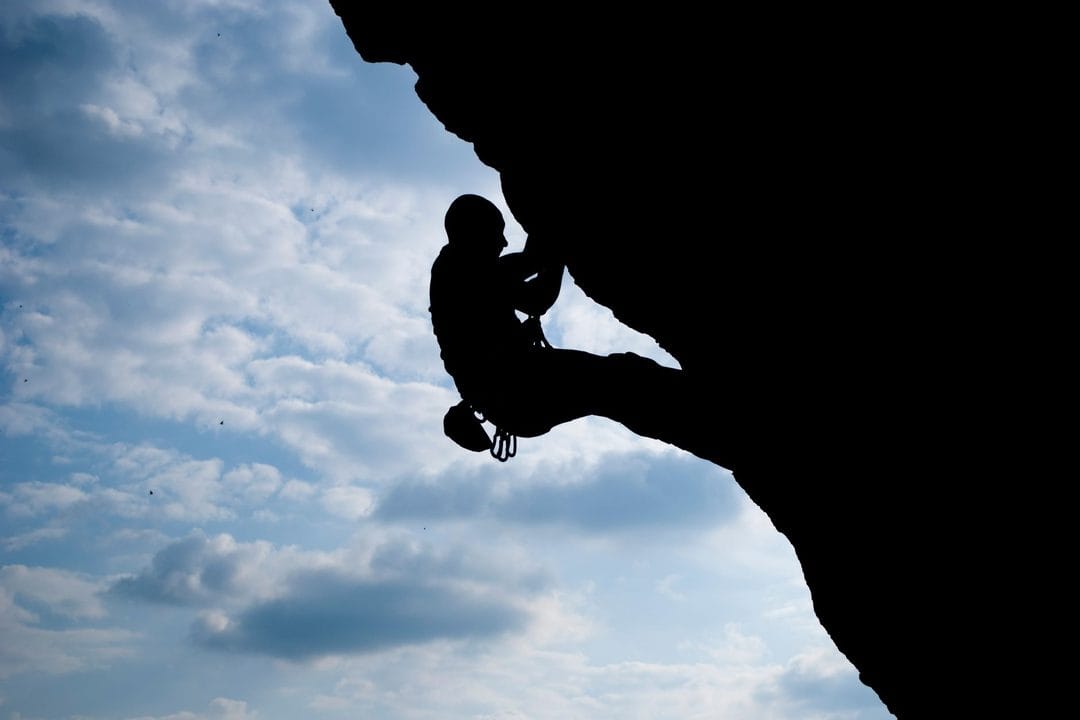
Everyone wants the summit photo. Far fewer people want to talk about the part where you're cold, scared, and have to make a clear-headed call about whether the conditions ahead are dangerous or just uncomfortable — because those two things look almost identical from the inside. That gap, between what feels risky and what actually is, is where most accidents in adventure sports live.
Fear is data, not a verdict
The mistake beginners make in climbing, freediving, or backcountry skiing is treating fear as an instruction to stop. The mistake experienced people make is the opposite — treating it as noise to push through. Neither is right. Fear is a sensor reading, and like any sensor it's sometimes accurate and sometimes badly calibrated. The skill isn't being fearless. It's learning to ask what specifically is firing the alarm, then checking whether that thing is real.
On a multi-pitch rock climb, the lurch of fear when you're forty metres up on solid gear is your monkey brain reacting to exposure, not to actual danger — the system is built to hold many times your body weight. The same feeling on a loose, runout traverse where a fall would be ugly is the alarm doing its actual job. They feel identical. Telling them apart, every time, is a learnable skill, and it's the one that keeps you alive longer than any amount of raw nerve.
The objective hazard nobody can muscle through
Avalanche terrain is the clearest example of why courage is the wrong tool. You cannot out-tough a slab of snow. The Reilly Brennan rule of thumb in the backcountry community is brutal and correct: the mountain doesn't know you're having a good day. A slope at 38 degrees with a weak layer buried under fresh wind-loaded snow doesn't care how fit, experienced, or determined you are. This is where the ego deaths happen — strong, capable people who treated an objective hazard like a personal challenge.
- Check the avalanche forecast the morning of, not the night before — conditions shift overnight.
- Carry a transceiver, probe, and shovel, and actually practise with them until a companion search takes you under eight minutes.
- The most dangerous slope angle is roughly 30 to 45 degrees, which is also, annoyingly, the most fun to ride.
- If your group's plan changes because someone "really wants to ski this line," that's the moment to be suspicious of the plan, not the snow.
Skill compounds, luck doesn't
Free-solo climbing makes the headlines and warps the public picture of what extreme athletes actually do. Alex Honnold's El Capitan solo wasn't a leap of faith — it was the visible tip of years of rehearsing every single move with a rope until the unroped version held no surprises. That's the unglamorous truth under nearly every extreme feat that looks insane from outside: it's preparation taken to a degree most people find boring, dressed up by the camera as audacity.
When pulling the plug is the hard, correct move
The most underrated skill in any adventure sport is turning around. There's a thing mountaineers call summit fever — you're close, you've invested days, the weather's holding for now, and every cell in your body wants to keep going. The graveyards on big peaks are full of people who had the fitness to reach the top and not the discipline to turn back when the clock said no. Setting a hard turnaround time before you start, and obeying it even when the summit is in sight, is the difference between an old climber and a story.
None of this means the risk isn't real, and pretending otherwise would be dishonest. People who do everything right still get hurt and occasionally killed, because these sports operate in environments that don't grade on effort. What good judgement buys you isn't safety — it's a dramatically better set of odds, repeated over a lifetime of days out. You manage the controllable variables ruthlessly so that when the uncontrollable ones show up, you're not also fighting your own bad decisions.
The mindset that actually keeps you in the game
The athletes who last decades in high-consequence sports share one trait, and it isn't bravery. It's a willingness to be the unexciting person in the group — the one who checks the forecast twice, who carries the extra layer, who calls the turnaround while everyone else is still buzzing. They've made peace with going home having not summited, because they understand the real goal was never any single objective. It's getting to go out and do this again next weekend, and the weekend after that, for thirty years.