Lauterbrunnen's Deadly Math: Inside the Valley That Never Banned BASE Jumping
Lauterbrunnen has never banned BASE jumping, and its cliffs have claimed 64 lives since 1994 — more than half of all BASE jumping deaths worldwide.
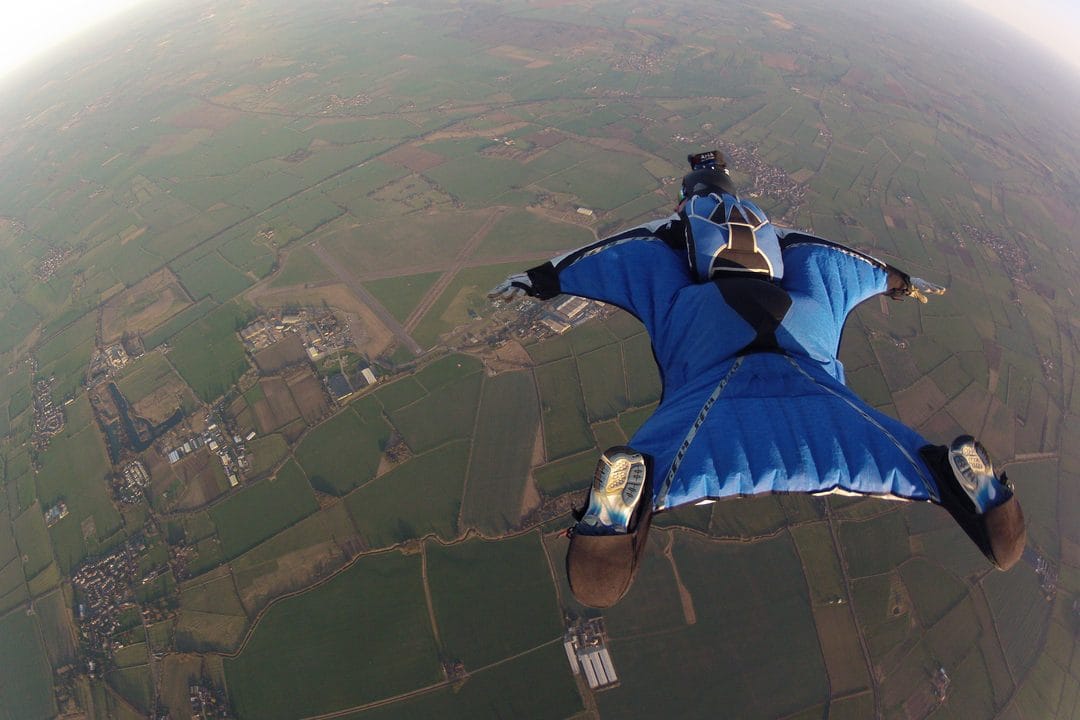
Most places that produce this many deaths get shut down. Lauterbrunnen hasn't, and that's precisely why it draws the jumpers it does. Unlike most of the world's BASE jumping locations, the valley has never banned the sport — and combined with cliffs that drop straight into a landscape built for the sport, that single regulatory fact turned a Swiss farming valley into the most notorious wingsuit BASE jumping location on the planet.
How a Farming Valley Became the Center of the Sport
The numbers on growth alone tell you how fast this happened. Lauterbrunnen registered around 5,000 BASE jumps a year in the early 2000s, when the sport was still a fringe pursuit known mostly within skydiving circles. By 2016, that figure had roughly quadrupled to about 20,000 jumps a year. The Swiss Base Association currently estimates 15,000 to 20,000 jumps happen in the valley annually — meaning at any given point in the summer season, there's a steady stream of people stepping off cliffs that most tourists in the valley are photographing from a safe distance below.
What makes Lauterbrunnen specifically attractive isn't just the legal status. It's the combination of dramatic vertical relief, relatively easy access compared to remote alpine exit points elsewhere in the world, and a local culture that's had two decades to normalize the sport rather than treat it as an invasive novelty. You can watch jumpers from the valley floor. Tour buses stop for it. That normalization is exactly what critics of the sport point to as part of the problem — a location where the activity has become so woven into local identity that the risk gets treated as ambient rather than extraordinary.
The Death Toll, By the Numbers
According to the Swiss Base Association, 118 people have died BASE jumping since 1994. Sixty-four of those deaths happened in Lauterbrunnen specifically — 54% of the global total in one valley. Broken down by location, roughly three-quarters of all fatal BASE jumping accidents occur across just two places: 55% in Lauterbrunnen and 21% in the broader Bernese Alps region, with Walenstadt accounting for a further 12%. Two cantons in one small country account for the overwhelming majority of deaths in a sport practiced worldwide.
Wingsuits kill nearly two out of every three.
Sixty-three percent of fatal BASE accidents happen during wingsuit flights specifically, compared to 15% for slick jumps and 14% for two-piece canopy jumps. One-piece trackers — a less aerodynamically ambitious setup that doesn't attempt the horizontal glide distance a wingsuit does — account for just 8% of deaths, the lowest of any discipline tracked. That gap isn't subtle, and it maps directly onto what wingsuit flying actually asks of a jumper: threading a glide path close to terrain at speeds well over 100 mph, where a small miscalculation in line, timing, or wind doesn't leave room for correction the way a more conservative jump style does. Nationally, American jumpers lead the fatality count at 17 deaths, with France and Switzerland tied at 13 each — a spread that suggests this isn't a problem confined to inexperienced tourists unfamiliar with the terrain, since French and Swiss jumpers presumably know Lauterbrunnen's cliffs better than anyone.
Two Names the Valley Remembers
Wioletta Roslan, a Swedish-Polish adventurer, died on a wingsuit jump from the Flower Box exit point at Lauterbrunnen in 2012. Uli Emanuele, an Italian BASE jumper with a global following built partly on proximity-flying footage shot in exactly this kind of terrain, died in a crash at Lauterbrunnen in August 2016 while filming. Both were experienced. Neither death fits the narrative that this sport mainly claims beginners who didn't know what they were doing — which is the uncomfortable pattern that keeps showing up in wingsuit fatality data generally: experienced athletes make up roughly 90% of deaths in some wingsuit-specific studies, not novices making rookie mistakes on their first jump.
The Licensing Gap Nobody Talks About
Here's what surprises most people encountering this sport for the first time: Switzerland doesn't require a permit or license to BASE jump at Lauterbrunnen. There's no government body checking your experience level before you walk to an exit point, no mandatory logged-jump minimum enforced by law the way many countries require before you're allowed to attempt more advanced disciplines. What structure exists is almost entirely self-imposed by the community itself — jumpers track their progress through informal "BASE numbers," a running count of how many people worldwide have logged a jump at each of the sport's four disciplines (building, antenna, span, and earth), and experienced jumpers generally won't mentor or jump alongside someone who hasn't put in real time on a rig first. That self-regulation works reasonably well for keeping true beginners away from the hardest exit points, but it does nothing to stop an experienced, properly trained jumper from making a proximity-flying decision that kills them — which, per the fatality data, is the actual pattern driving Lauterbrunnen's death toll. A license requirement tied to logged jump counts and instructor sign-off, the kind several other countries impose before allowing wingsuit flying specifically, would filter out reckless beginners. It wouldn't touch the wingsuit fatalities involving jumpers who already had the numbers and the experience to know better. That's the uncomfortable reality regulation advocates run into every time this comes up: the valley's biggest killer isn't inexperience. It's confidence built on genuine skill, applied to margins that don't forgive a single miscalculation.
Why the Death Rate Won't Come Down
Here's the part that should genuinely surprise you: equipment and training have both improved substantially over the past decade, and the death rate in 2026 hasn't meaningfully moved because of it. Wingsuit design, canopy technology, and structured training programs for new jumpers have all gotten measurably better. None of it has produced the safety gains you'd expect from that kind of technical progress, and the reasons aren't mysterious once you look at what's actually changed alongside the equipment. Participation has grown substantially, which mechanically produces more fatal incidents even if the per-jump risk stayed flat. Wingsuit BASE jumping specifically has become dramatically more popular within the sport — and it's the discipline with the worst fatality rate by a wide margin, so a shift in that direction pushes the overall numbers up regardless of individual skill level. And there's a cultural pressure that didn't exist twenty years ago: social media rewards proximity flying, the practice of piloting a wingsuit as close to terrain as possible for footage that reads as dramatic on a screen. That pressure pushes experienced jumpers — the ones who should know better, and often do — toward margins that don't leave room for the kind of small error every pilot eventually makes.
If you're seriously considering wingsuit BASE jumping at Lauterbrunnen, don't let the valley's normalized atmosphere fool you into treating this like a slightly more advanced version of skydiving. It isn't. Get your reps in on standard skydiving and canopy work first, log real BASE jumps at forgiving exit points before you go anywhere near proximity flying, and be honest with yourself about whether you're making decisions based on what the jump requires or what the footage will look like afterward — because the data says that second motivation is quietly killing experienced jumpers who should have known better.
Sixty-four names carved into two decades of one valley's cliff faces is the actual cost of never having banned the sport. The tour buses still stop there every summer, and the jumpers still line up at the exit points, because for now, nobody involved seems to think that math is a reason to stop.