Packrafting Whitewater: The Backpack Boat That Gets You Down Rivers Kayakers Can't Reach
A packraft weighs less than your tent and gets you down rivers no kayaker can shuttle to. It's also the kind of light that bites. Here's the sane way in.
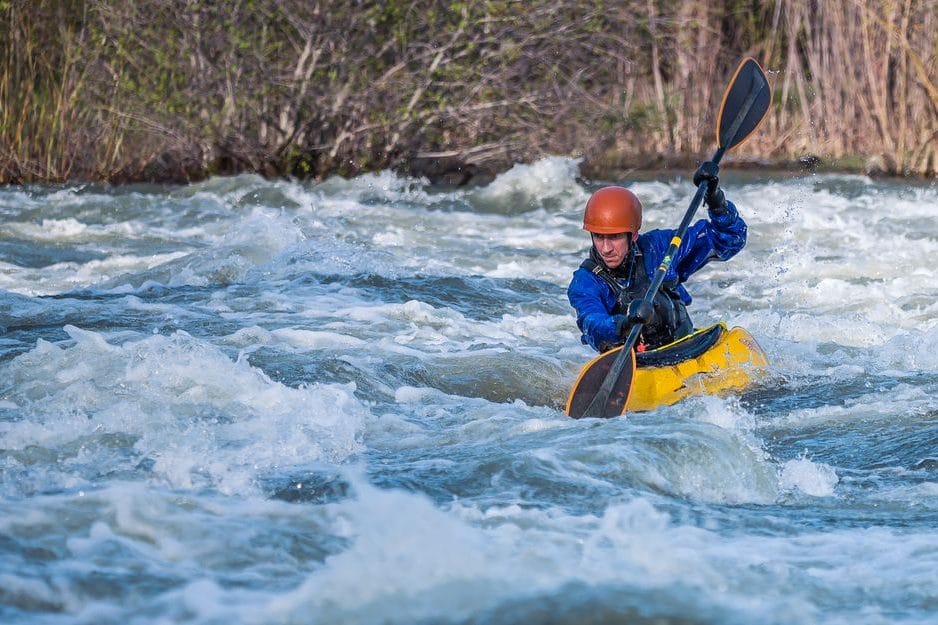
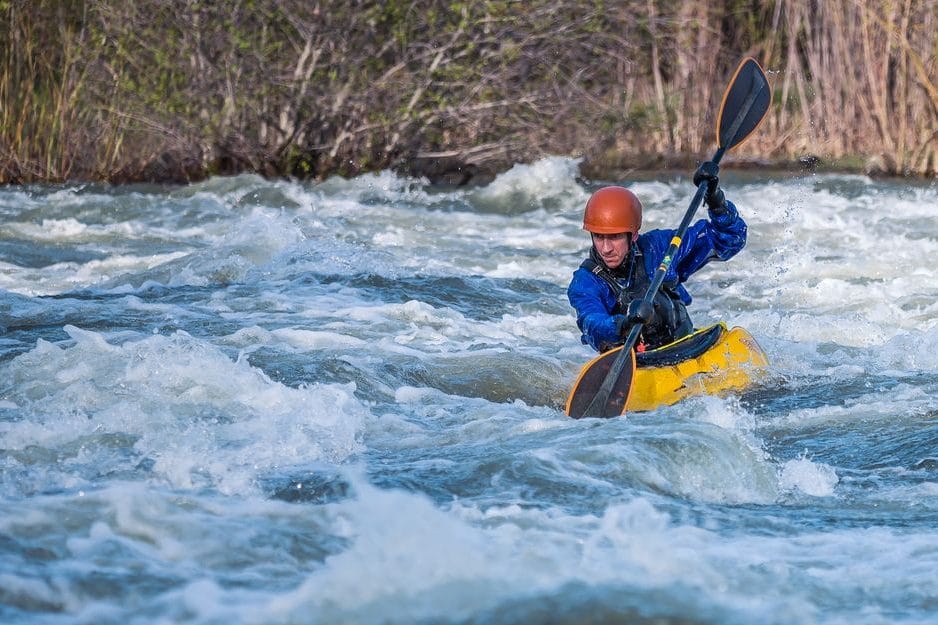
A packraft is a one-person inflatable boat that weighs less than your wet tent and rolls up small enough to strap to the bottom of a backpack. That single fact changes what's possible on a river. You can walk eight miles into a canyon that has no road, no put-in ramp, and no shuttle, inflate the boat in ten minutes, and run water that a hardshell kayaker would need a whole logistics operation to reach. For guys who already hike and want the descent to be more than just walking back out, this is the cheat code.
It's also genuinely dangerous in moving water, and the lightness that makes it brilliant is exactly what makes it bite.
What you're actually buying
The serious whitewater packrafts come from a short list of makers, and Alpacka Raft out of Colorado is the one most people benchmark against. A whitewater-capable boat with a self-bailing floor and a spray deck runs roughly $1,300 to $1,800 new in 2026, which sounds steep until you price a hardshell creek boat plus a roof rack plus a second car for the shuttle. The packraft replaces the shuttle entirely, because your put-in and take-out can be the same trailhead.
Two features separate a river boat from a flatwater toy. The first is a self-bailing floor — holes in the floor that drain the water a rapid dumps in, so you're not stopping every two minutes to empty a swimming pool. The second is a cargo zip or a secure bow rig, because the whole point is carrying overnight gear, and gear that shifts in a rapid will flip you. Buy the whitewater model. The cheap flatwater packrafts you see for $300 on import sites will fold and taco the first time they hit a real hole, and you do not want to discover that mid-rapid.
The skills you can't skip
The boat is easy. The water is not. Before you take a packraft anywhere with a current rating above Class II, you need swiftwater rescue training — a two-day course, often $250 to $350, run by outfitters across the US and offered through groups affiliated with the American Packrafting Association. It teaches you how to swim a rapid feet-first on your back, how to throw a rescue rope and how to read where the river will pin you. That last one is the killer.
Here's the part that catches strong hikers off guard: fitness doesn't transfer. You can be a beast on the trail and still get worked by Class III water, because river reading is a separate sense you build over time, not a muscle you bring with you. The mountain you just climbed taught you nothing about a hydraulic that will hold a swimmer underwater and recirculate them.
How a sane first season looks
- Get the swiftwater course on the calendar before you buy the boat. If the schedule pushes it to next month, that's the right order.
- Spend your first ten days on moving flatwater and Class I — wide, forgiving rivers where the only consequence of a flip is a cold swim and a bruised ego.
- Never paddle whitewater alone, and never as a pair where one swim leaves nobody to throw the rope. Three is the floor for moving water.
- Build up to Class II only when you can roll back into the boat after a deliberate flip without panicking, in current, with your gear still attached.
The honest catch
Packrafting sells itself as accessible, and the walking-in part genuinely is. But the accessibility is a trap if you read it as "easy." The same boat that lets a fit hiker reach remote water also lets that hiker reach water far beyond their river skill, miles from any road, with no kayaker around who knows the line. The wilderness that makes the descent special is the wilderness that means a rescue is hours away if it comes at all.
Done in the right order — course first, flatwater next, a patient build toward harder water with people who've done it — packrafting opens up rivers most paddlers will never see. Start a season this summer on slow brown water you'd be embarrassed to brag about, and by next year you'll be dropping into canyons that have no other way in.