Trad Climbing on Kalymnos and Leonidio: Greece's Climbing Destinations Compared
Greek sport climbing is divided between two giants. Kalymnos is the social scene. Leonidio is the sharp end. Here's how to choose between them.
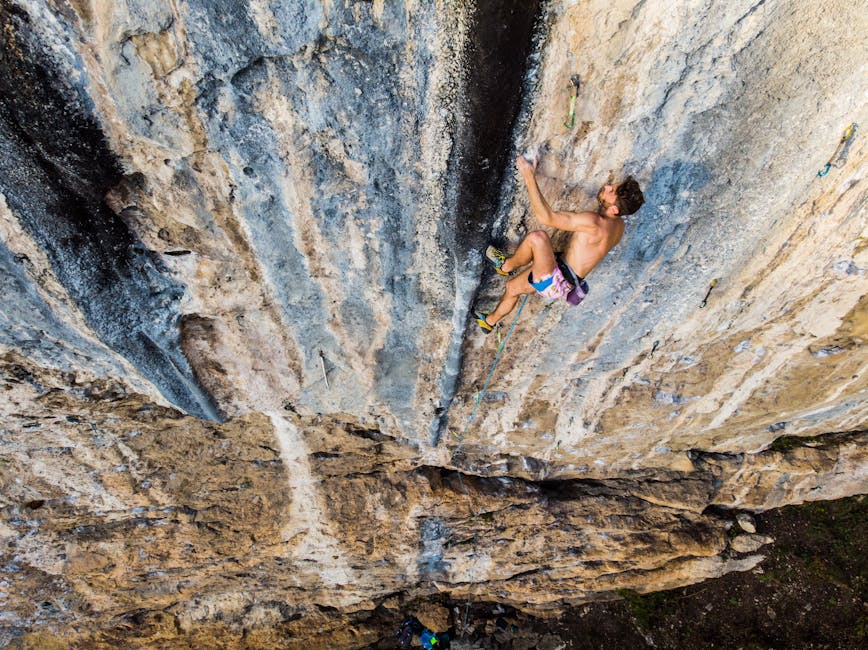
If you fly into Athens to climb for a week or two, you have a clean binary choice: Kalymnos or Leonidio. Both are world-class. Both are European climbing meccas for reasons that will seem obvious once you've been. They also serve different climbers, which is what this piece is about.
I've been to both areas four times each across 2019-2026. My partner and I have argued about which is better for years, which is actually the right reaction — they're not directly comparable. They optimise for different things, and the right trip depends on what you're looking for.
Kalymnos: The Festival
Kalymnos is an island in the Dodecanese, a three-hour ferry from Kos. Climbing there is a social experience. You'll see 200 climbers a day spread across the main crags, dinner tables full of climbers from twelve countries, and a crag approach that feels like walking to a stadium.
The rock is grey limestone, mostly tufa-covered, overhanging to vertical. Grades range from 4a to 9a, with the densest concentration in the 6a-7c range. This is important: if you climb 6a to 7c, Kalymnos has the highest density of quality routes in that range anywhere in Europe. If you climb harder, you can still find plenty, but the ratio tilts toward warmup terrain.
The Sectors That Matter
- Grande Grotta — overhanging tufa paradise, 6c-8c, the signature sector
- Odyssey — the best 6b and 6c on the island, vertical to slightly overhanging
- Spartacus — hard sport, 8a-8c, less crowded
- Panorama — sunny morning sector, perfect for winter trips
- Sikati Cave — classic tufa-and-roof routes, mostly 7a-8a
Logistics are easy. Rent a scooter (15 euros a day), stay in Pothia or Massouri, eat everywhere for 10-15 euros per meal, climb anywhere within 20 minutes of your base. A 2-week trip costs around 1,400-1,800 euros including flights from most of Europe, with the ferry-from-Kos piece as the only logistical complication.
Why Climbers Love It
The social scene is huge. You will climb with strangers from Finland and Chile in the same session. The hosts and climbers have built an ecosystem that is genuinely welcoming. Kalymnos is the Oktoberfest of climbing — broadly accessible, famously fun, and famously crowded.
Leonidio: The Grinder
Leonidio sits on the Peloponnesian coast, 3.5 hours by car from Athens. The rock is red and orange conglomerate, with some limestone sectors. The approaches are longer — 20-40 minutes on rough tracks — and the crag scene is more spread out. You rarely share a sector with more than 6 people.
The grade spread runs 5a to 9b+ (Adam Ondra put up a 9b+ in Leonidio in 2019). The density concentration is 6c to 8a+, which is a half-grade to full-grade harder than Kalymnos. If you're a 7a climber, you'll find quality routes easily but they'll be harder-physical than similar-grade routes in Kalymnos.
The Sectors That Matter
- Mars — north-facing red conglomerate, 7a-8b, the area's flagship
- Sabbia Rossa — the most sustained wall in Leonidio, 6c-7c
- Hades — shadow wall, 7a-8a, avoids the worst heat
- Panagia — huge limestone cave, 7b-9b, the hard end
- Elona — long multi-pitch routes for a change of pace
Why Climbers Love It
The rock. Conglomerate gives a different climbing experience than limestone — rounded holds, pocket-intensive movement, a particular kind of endurance demand. Climbers who've done both will tell you Leonidio climbs "harder" grade for grade, which isn't quite right but captures the felt experience.
The landscape is also more dramatic. Leonidio sits under massive red cliffs that rise straight out of the sea. Kalymnos has a similar aesthetic, but Leonidio's is more concentrated and cinematic.
The Choice
Pick Kalymnos if:
- You climb 6a-7a and want high-quality accessible routes with short approaches
- You're travelling with a mixed-skill group (especially families)
- You want the social experience of climbing in a community
- You're on your first international climbing trip
- You like tufas
Pick Leonidio if:
- You climb 7a and above and want routes that push you
- You prefer quiet crags and don't mind longer approaches
- You want a visually striking landscape without resort-like vibes
- You like pocketed conglomerate and endurance-style routes
- You're doing a 3+ week trip and want more variety than a single island
The Combo Trip
A 3-week trip can reasonably do both: fly Athens, drive to Leonidio for 10 days, back to Athens, ferry to Kalymnos for 10 days, fly home. The two areas complement each other — Leonidio pushes you hard, Kalymnos lets your forearms recover while still giving you quality climbs. The combined trip runs 2,500-3,200 euros all in for most European climbers.
Timing
Both areas peak from October to early December and again from mid-March to late May. Summer climbing (June-September) is brutally hot at both; some sectors get climbable only in the evening after 4 PM.
Winter climbing from mid-December to early March is possible in sunny sectors but unreliable — you can get two weeks of perfect weather or a fortnight of rain.
November is the strongest single month for both destinations. Temperatures are 16-22°C daytime, routes are dry, the crowds are manageable. Book ahead for accommodation in Kalymnos during this window; Leonidio has more capacity.
Gear Differences
For Kalymnos: 60-metre rope, 14-16 draws, standard sport rack. You can get away with a 70-metre rope but it's not required.
For Leonidio: 70-metre rope is effectively required. Some routes push 35-40 metres. 16-18 draws for the longer routes. Bring your most comfortable shoes — the conglomerate is less finger-intense than limestone but your feet work harder on slopers and pockets.
Food, Housing, and Rest Days
Kalymnos: hundreds of tavernas, most climber-friendly accommodation priced at 30-55 euros per night per person. Rent a scooter for mobility.
Leonidio: a small town with maybe 15 places to eat well. Accommodation in Plaka (the beachfront village) runs 40-70 euros per night for a standard room. Rent a car — the terrain and distances demand it.
Rest day activities differ: Kalymnos has beaches, a lively small-city centre in Pothia, and a thriving restaurant scene. Leonidio offers more dramatic hiking, empty beaches, and a quieter cultural scene. Which sounds better to you is a pretty good proxy for which trip you'd enjoy more overall.
The Pitch
If you're going to Greece once, go to Kalymnos. The whole experience is complete, the climbing is superb, and the social scene is a large part of the appeal.
If you're going to Greece for the second time, go to Leonidio. By that point you know what you're there for, and Leonidio will feel like the climbing you came to do. The quieter crags, harder rock, and committed atmosphere suit a climber on their second or third European trip more than the first.