Fastpacking: The New Discipline Between Trail Running and Backpacking
Fastpacking is backpacking for runners who want to cover more ground. Done right, it's the most efficient way to see big terrain. Done wrong, it's just a miserable run with too much stuff.
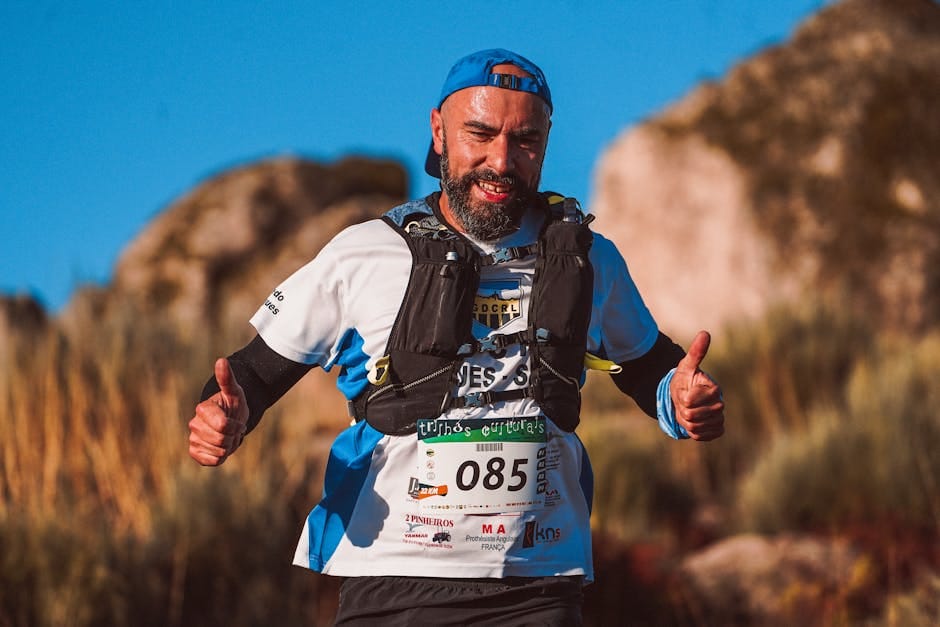
Fastpacking is what happens when a trail runner and a backpacker compromise. You carry less than a backpacker, you move faster than a hiker, you cover more ground than either. The discipline has grown enormously since 2022, driven by lighter gear and a generation of runners with aerobic capacity but no desire to hike at 4 km/h.
The trap: fastpacking as marketed is not fastpacking as practiced. The magazine version is hero-light pack, effortless running, sub-24-hour cross-country routes. The real version is a hybrid of running and fast hiking, with technical skills that neither trail runners nor backpackers typically possess.
What Fastpacking Actually Is
A fastpacking trip is typically 2-5 days long, covers 100-300 km, involves packs under 5 kg base weight, and moves at 6-9 km/h average including climbing. You're running the runnable sections and hiking the rest.
Pace breakdown for a typical day: 25% running (flat and gentle downhill), 40% fast hiking (moderate uphill and broken terrain), 25% moderate hiking (steep uphill), 10% transitions (eating, navigation, filtering water). That averages 7-8 km/h.
Distance per day: 40-70 km depending on vertical and terrain. That's twice a backpacker's typical day and half a trail runner's road-mileage day. The energy demand is closer to a trail runner's.
The Kit
Pack: Ultimate Direction FastpackHer or FastpackHim 30, Black Diamond Distance 22, or Sitka Gear Ascent 12 (for shorter trips). 22-30 litre capacity with running-vest style front pockets. 280-450 grams empty.
Shelter: a tarp and bivy combination (400-600 grams) or a minimalist single-person tent like the Six Moon Designs Lunar Solo (720 grams). No palatial tents.
Sleep: a 10°C quilt (425 grams) and a minimal pad (330 grams for a Therm-a-Rest NeoAir UberLite). The NeoAir XLite NXT at 355 grams is more durable for rocky terrain.
Cook: most fastpackers go stoveless. Your meals are things like protein bars, trail mix, dried fruit, tortillas with peanut butter and honey, jerky. No hot meals means no fuel canister weight.
Clothing: what you wear plus one dry base layer, one light puffy (Patagonia Micro Puff 270 grams), one rain layer (Outdoor Research Helium at 195 grams). Spare socks — always.
What This Kit Weighs
For a 3-day fastpack in summer: 4.2 kg base weight before food and water. Add 1 kg per day of food and 1 kg of water average = 7 kg fully loaded on day one, dropping to 5 kg by the last morning.
That weight is runnable. You'll run gentle downhills and flats all day. You'll fast-hike uphills and technical ground. A 10 kg pack is not runnable for most men.
Routes Worth Doing
Starter Routes (2-3 days, 100-150 km)
The Tour du Mont Blanc (France/Italy/Switzerland): 170 km, 10,000m gain. Traditional hikers do it in 8-12 days. Fastpackers do it in 3-4 days. Refuge system means you can even go without a shelter.
The Wonderland Trail (Mount Rainier, Washington): 150 km, 6,700m gain. Circular route. Fastpackers do it in 3-4 days.
The Catalina Trail (California): 60 km round-trip. 2-day fastpack perfect for a first trip.
Australian Alpine Walking Track sections: Mount Kosciuszko to Mount Feathertop (300 km full) can be broken into 120 km sections for a 3-day fastpack.
Intermediate Routes (4-5 days, 200-300 km)
The Sierra High Route (California): 310 km, 17,000m gain. Off-trail navigation required. Not a beginner route.
The Haute Route Pyrenees: 450 km across the Spanish-French border. Stage it in 7-9 days.
Tasmanian South Coast Track: 85 km, done in 2 hard days. Coastal terrain, frequent rain.
Pace Management
The biggest mistake: running too much early in the day. Your legs are fresher, the terrain is usually easier, you feel good, so you run everything. Then at kilometre 35 you can't run any more and you've got 20 km to go.
Better pacing: walk the first 30 minutes of every day regardless of terrain. This pre-loads the glycogen system and lets your body wake up. Then alternate running and walking in roughly even proportions for the middle of the day. Give yourself permission to walk the last 90 minutes before camp.
Fuel every 30-40 minutes. A fastpacker who doesn't eat every 40 minutes will bonk by day 2. Pre-portion your food into hourly snack bags — this forces the habit.
Hydration
Two 500ml soft flasks in the pack front, one 1-litre flask in the back. Refill at streams. A Sawyer Squeeze is mandatory — you don't carry enough water to skip filtering.
Electrolytes matter more here than in single-day running. Sweat loss over 8-10 hours per day drains sodium dramatically. Drip drops, LMNT, or Precision Hydration tablets — one or two per litre depending on heat.
Navigation
Download route files (GPX) to a phone running Gaia GPS or AllTrails Pro before you leave reception. Carry a power bank (Anker 10,000 mAh at 200 grams) and a USB-C cable. An offline phone map is more useful than a paper map for 95% of terrain.
Carry a paper map as backup on remote routes. Phones die. Phones break.
On off-trail routes (Sierra High, some alpine traverses), add a compass and the ability to use it. Without skill, GPS is sufficient. With skill, a compass is faster in many navigation decisions.
Training
Fastpacking fitness is not trail-running fitness. It adds vertical hiking capacity to running aerobic base.
Training block (8 weeks):
- 3 easy runs per week (total 4-5 hours)
- 1 long run per week with weighted pack (4-6 kg), building from 90 minutes to 3 hours
- 1 hill hike per week, 500-800m vertical with the actual pack weight you'll carry
- 1 back-to-back weekend per month — Saturday 3 hours loaded, Sunday 90 minutes loaded
The vertical capacity is the piece trail runners underrate. You need to hike up at 500-700 vertical metres per hour with the pack on, for 4-5 hours. That's a specific capacity you don't get from flat running.
Recovery
Fastpacking trips produce what's called "polarised fatigue" — your connective tissues take a beating even though your cardio system doesn't. Expect ITBS, patellar tendon irritation, or Achilles issues if you haven't conditioned for vertical loading.
A week before the trip: taper your running volume to 60% of normal. No long runs in the 7 days before.
After the trip: 2 weeks of reduced training. Walking, easy spinning, light upper-body work. Don't go straight back to hard running. Your tendons need the recovery.
Why It's Worth It
A 3-day fastpack covers 150 km of mountain terrain. A 3-day backpack covers 45 km. The efficiency of the discipline gives you access to bigger pieces of landscape — entire mountain ranges on a long weekend instead of a single valley.
You'll see the terrain differently. Running downhill through an alpine meadow with the sun low feels different than walking down. The pace is the whole point. Not speed for its own sake, but the way speed changes your relationship with the landscape.
You'll also get hungrier, sorer, and more exhausted than most backpacking trips produce. That's the bill. The landscape pays it off.