Endurance Mountain Bike Races: Planning for Cape Epic and BC Bike Race
Stage racing is a discipline of its own. Here's a 6-month plan for Cape Epic or BC Bike Race.
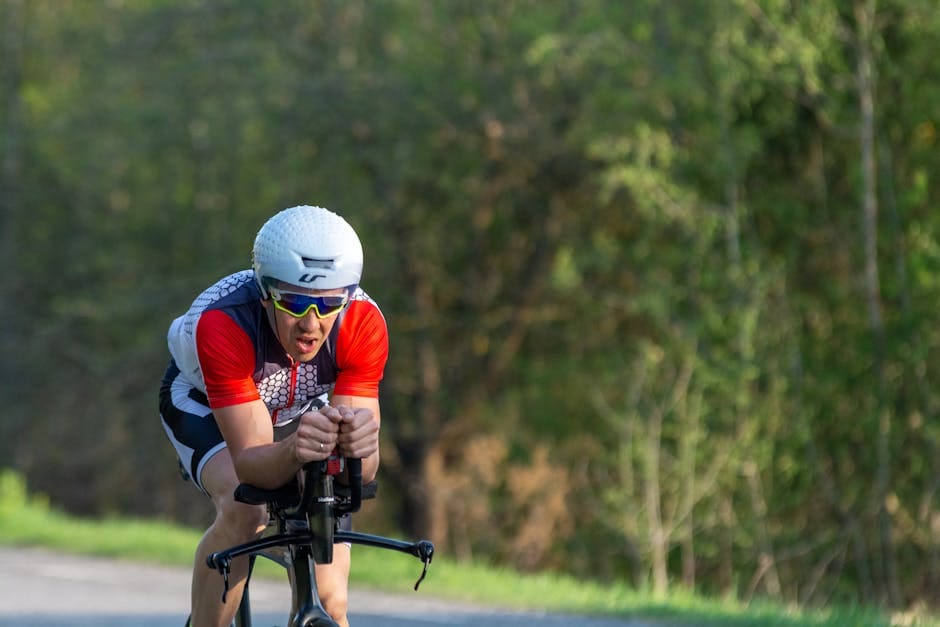
The Cape Epic is 600km of hard mountain biking over 8 days in South Africa. The BC Bike Race is 380km of mostly singletrack over 7 days in British Columbia. They're similar in concept - multi-day mountain bike stage races - but they're different beasts, and preparing for one doesn't automatically prepare you for the other. Here's how to think about training for endurance mountain bike races at this level.
I've completed one BC Bike Race and trained for but not completed a Cape Epic (weather cancellation, long story). The training approach I developed works for both events and for similar races like the Croatian Epic or the Andes Pacifico. It's specific, it's time-intensive, and it requires planning.
Base Building: The 6-Month Foundation
Start training 6 months before your race. This sounds excessive. It isn't. Endurance racing requires base fitness that can only be built with sustained aerobic work over time. If you start three months out, you'll be undertrained and the race will feel terrible.
Weeks 1-16: base building. 15-25 hours of riding per week, 80% of which is zone 2 (aerobic, conversational pace). This is boring. You're building mitochondrial density, aerobic enzymes, and the fatigue resistance you'll need later.
Weekly structure: 2 long rides (3-5 hours each), 2-3 shorter rides (1.5-2 hours), 1-2 recovery rides (30-60 min), and 1 rest day. Mix some intervals and hill repeats into the shorter rides, but keep the long rides conversational.
Base phase weekly hours by week
- Weeks 1-4: 15-18 hours
- Weeks 5-8: 18-22 hours
- Weeks 9-12: 22-25 hours
- Weeks 13-16: 20-25 hours (maintenance)
Build Phase: The 6-Week Push
Weeks 17-22: build phase. Intensity increases, volume stays high, and specificity becomes important. Your long rides should mimic race day: similar terrain if possible, similar gear, similar nutrition strategy.
Key workouts in this phase:
- Long ride with 2x 30-min threshold intervals
- Back-to-back long rides on weekends (4-5 hours Saturday, 3-4 hours Sunday)
- Hill repeat sessions (8x 5-minute climbs at threshold)
- One weekly recovery ride
The back-to-back long rides are critical for stage racing. You're training your body to recover overnight and perform again the next day. A single 4-hour ride feels easier than two back-to-back 3-hour rides. The latter teaches your body to bounce back.
Taper: The Last 2 Weeks
Weeks 23-24: taper. Volume drops dramatically (50% reduction from peak), but intensity stays high. You're shedding fatigue while maintaining fitness. Most athletes feel terrible in the middle of taper - this is normal.
Week 23: 60% of peak weekly volume. Keep 1-2 high-intensity sessions. The purpose is to maintain neuromuscular sharpness while recovering deeply.
Week 24 (race week): 40% of peak volume, mostly easy riding. Two 90-minute rides with 4-5 minutes of race-pace intervals. Rest day before the race.
Don't skip the taper to get extra training. More fitness doesn't come from more training; it comes from training + recovery. Skipping taper means you arrive at the race already fatigued.
Equipment and Race Setup
Race bike: trail/XC bike in 100-120mm travel range, tubeless tires, and proven setup. Don't race on new gear. Every piece of equipment should have hundreds of training kilometers.
Spare equipment: backup derailleur hanger, extra tires, tubes, chain links, and complete brake pads. At a stage race, there's usually a service pit crew, but they can't work miracles if you're missing a critical spare.
Nutrition: 60-90g carbs per hour during the race. For a 6-hour stage, that's 360-540g of carbohydrates. Test your nutrition strategy in training. A nutrition crash at km 80 of stage 4 is preventable.
Race day nutrition plan
- Pre-race (90 min before): 1g carb per kg body weight
- During: 60-90g carbs/hour from mix of drinks and solid food
- Post-race: 1-1.5g carbs/kg within 30 minutes
- Protein: 20-30g within 30 minutes of finishing
Pacing Strategy
Stage racing pacing is different from single-race pacing. You can't race all-out on stage 1; you have 7 more days to go. The smart pacing is to ride 20-30 beats below threshold on most stages, with intensity reserved for key climbs or sections where you can gain time.
The biggest mistake new stage racers make: going too hard on day 1. They feel fresh, they push, and by day 3 they're wrecked. The race gets worse each day instead of staying consistent.
My personal pacing rule: finish each stage feeling like I could have done 30 more minutes at the same pace. That sounds easy but it's hard to enforce when you're competitive by nature. Wear a heart rate monitor and stay within your threshold zone.
Mental Preparation
Endurance racing is mental. The body can do the work if it's been trained, but the mind decides whether you finish. The mental challenges get harder each day: day 1 excitement, day 3 mid-race fatigue, day 5 accumulation of small injuries, day 7 final push.
Pre-race: have a plan for what you'll do when things get hard. Mantras work for some people. Breaking the race into small checkpoints works for others. Know your mental strategy before you start.
During the race: stay flexible. A perfectly planned race often falls apart on stage 3 when you get a mechanical or a weather change. The racer who adapts wins. The racer who sticks rigidly to the plan collapses.
Recovery Between Stages
Between stages, recover actively. Don't just lie down and eat (though that's part of it). Compression gear, light movement, proper nutrition, and 8+ hours of sleep are critical. Sleep is the single most important recovery tool.
Nutrition between stages: carbs are king. Aim for 8-10g per kg body weight per day during the race. Include protein for repair. Hydrate aggressively. By day 3, most racers are slightly dehydrated and don't realize it.
Physical care: stretch and foam roll. Get massage if available (many races offer it). Address small issues (chafing, saddle sore, knee pain) immediately. Small problems on day 2 become serious problems on day 5.
The Cape Epic and BC Bike Race reward preparation. The riders who finish well are the ones who trained specifically for the format, brought proven equipment, and executed their plan. The ones who improvise fade. Stage racing is a discipline of its own, and it's worth the months of preparation if you want to understand it.