Cold Water Swimming: The Science Behind the Benefits and How to Start Safely
The Wim Hof hype got a lot of 35-year-old men into cold water. A smaller number stayed, and they're the ones who understood what the cold is actually doing.
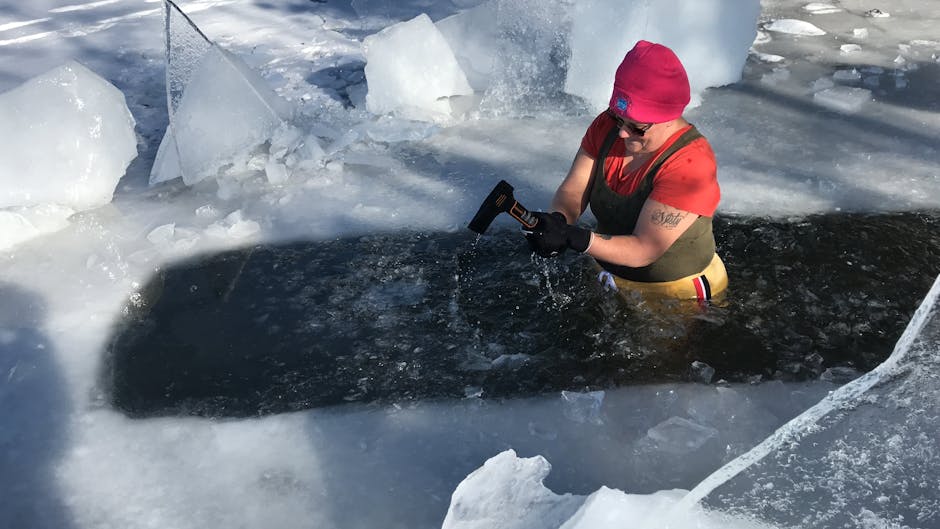
The cold water plunge industry is a marketing construction, but the activity underneath it is genuinely useful. Men who add cold water to their training sensibly tend to show up differently — better sleep, better inflammation markers, a kind of mental resilience that's hard to quantify but easy to feel. The men who get hurt doing it are usually the ones who treated it as a performance rather than a practice.
This article is about the honest middle ground. Cold water is not a magic wand. It is also not dangerous if you do it correctly. The protocol, the progression, and the reasons to stop — those are what separate a sustainable practice from a short-term stunt.
What the Cold Actually Does
When you immerse in water below 15°C, your sympathetic nervous system fires. Catecholamines (adrenaline, noradrenaline) spike. Cutaneous vessels constrict to protect core temperature. Brown adipose tissue activates. Your breathing becomes ragged for the first 30-90 seconds ("cold shock response"). After 2-3 minutes, breathing stabilises and your body enters a different physiological state.
The effects that show up in research with reasonable evidence:
- Acute noradrenaline rise — 200-300 percent above baseline, correlating with mood improvement
- Lower resting inflammatory markers (IL-6, CRP) in habitual cold exposure practitioners
- Improved vagal tone, visible in heart rate variability after 8 weeks of practice
- Training effect on cold shock response — your 30-second gasp phase shrinks to 10 seconds
The effects that are overclaimed:
- Fat loss — brown adipose tissue calorie burn is real but small, 100-300 calories per session at most
- "Boosts immune system" — the data is weak and the mechanism is unclear
- Meaningful testosterone increases — the literature is mixed and the effect size is small
The Two Real Benefits That Matter Most
The first is neurological. The noradrenaline surge from cold immersion acts similar to (but is not identical to) the effect of an endurance workout. For men with high stress loads who can't train twice a day, a cold exposure practice provides a similar neurological reset at much lower physical cost.
The second is practice of controlled discomfort. Men who train themselves to remain calm in cold water bring that capacity to bear in other uncomfortable moments — altitude, hard efforts, difficult conversations. The transfer is not mythological; it's a repeatedly demonstrated effect of controlled stress exposure.
How to Start — The First 30 Days
Beginners almost always start too aggressive and stop within three weeks. Here's a conservative progression.
Week 1-2: Cold Finish Showers
End your normal shower with 30 seconds of cold. Not ice cold — whatever your tap produces, which for most homes is 10-15°C. Build to 90 seconds. The goal is to practice the breathing pattern: nasal inhale for 4 seconds, exhale through pursed lips for 6 seconds. You want the exhale dominant, not the inhale. This is how you suppress the cold shock response.
Week 3-4: Cold Tub or Natural Water
At this point you can move to an ice bath (10-13°C) or a natural body of water at similar temperature. Start with 2 minutes. Not more. Get out. Warm up naturally, not with a hot shower — 20-30 minutes of moving around in warm clothes.
The "not hot shower" point matters. If you shock-heat after a cold immersion, you lose most of the hormetic effect because you short-circuit the rewarming process. A natural rewarm is the point.
Weeks 5-8: Building
Extend to 3-5 minutes in water at 8-12°C. Do it 2-3 times a week, not daily. The rest days matter — your nervous system adapts during rest, not during exposure.
Beyond this, don't push for longer times. More than 5 minutes at 8-12°C does not give you more benefit and starts to introduce risk, especially in natural water where cold-water swimming accidents concentrate.
Natural Water vs. Ice Bath
An ice bath is controlled. It's easier, safer, and doesn't require swimming skills. It's also less mentally demanding, because you know you can step out any time.
Natural water — ocean, lake, river — adds variables. Current, swell, other people, access to the bank. It also adds benefits that a tub doesn't give: the cognitive load of navigating real water, the social dimension of swimming with a group, the exposure to variable weather.
My recommendation: start with cold showers, graduate to an ice bath, then add natural water swims as a supplement. Don't make your first cold-water experience a 6°C river in January with no one watching.
Safety Rules for Natural Water
- Never swim alone. Never. The first five minutes include a cold shock response that can cause hyperventilation and, in rare cases, cardiac events.
- Know the exit points. Before you get in, know exactly where and how you're getting out.
- Dry clothes in a warm car, within 50 metres of exit. Rewarming a cold-shocked body is a 20-minute project. Start it immediately.
- No alcohol before or within 2 hours after. Cold + alcohol dramatically increases afterdrop risk.
- If you have any cardiac history, talk to a cardiologist before starting. This is non-negotiable.
Gear That Actually Matters
For ice tubs: a cheap stock tank from Tractor Supply (200 dollars) filled with water and ice beats every commercial "cold plunge" at five times the price. Water chillers (ChiliPad or similar) are nice but not necessary.
For natural water: neoprene socks and gloves if the water is under 10°C. Bare feet below 6°C water will cause lasting damage. A changing robe (dryrobe or a cheap alternative) is not luxury — it's what lets you get warm after exiting. Earplugs if you're swimming face-down, to prevent "swimmers ear" and to keep cold out of the ear canal.
When to Stop — These Are Not Optional
Signs you're doing damage, not building adaptation:
- Uncontrolled shivering that persists more than 30 minutes after exit
- Confusion, slurred speech, or clumsy coordination on exit — signs of mild hypothermia
- Persistent numbness in fingers or toes more than an hour after exit
- Chest tightness or pain during or after immersion
- Resting heart rate elevated by more than 10 bpm the morning after
Any of these means you did too much. Scale back the next session. Don't "push through."
The Long Game
Men who have practiced cold water immersion for 5+ years describe it the same way: not as a peak experience but as a steady feature of their week. It becomes like a warm-up before training — unremarkable, useful, part of the background.
That's the goal. Not the ice bath Instagram post. The long quiet practice that contributes to everything else you're trying to build.