Chamonix Alpinism: Starter Routes for the Competent Climber
Chamonix offers vertical alpinism starting 900m above the valley. Here are the routes that teach you the game.
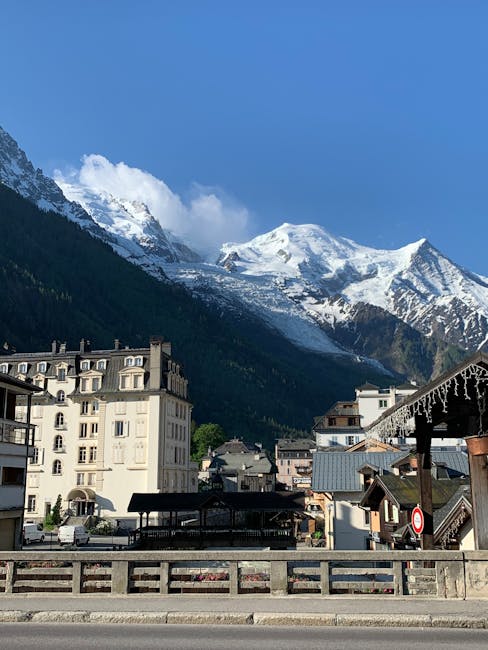
The Chamonix Aiguilles start 900m above the valley. Getting there involves a cable car, a glacier crossing, and a decision most climbers make before they're warm enough to think straight. Chamonix alpinism isn't remote; it's vertical. You can be on a classic rock route by 10am having woken in town at 6am, but you're 3,000m above sea level doing mixed climbing that would challenge anyone.
If you're a competent climber - say, 5.10 trad and AI4 ice - Chamonix offers starter alpinism that will still scare you. The climbing is genuinely hard, the approaches are real, and the weather can flip from sun to whiteout in an hour. What follows are routes that are classic for a reason. They test you without requiring full expedition planning.
The Cosmiques Arete
Cosmiques Arete from the Aiguille du Midi is the most famous beginner alpine route in the Alps. D/AD grade, 200m of climbing, mostly 4a with moves of 4c. You step off the Aiguille du Midi cable car at 3,842m and descend the exposed snow arete to the start. The climb itself goes up the ridge to the Cosmiques Refuge. You finish by mid-afternoon and ride the cable car back to Chamonix for dinner.
Don't underestimate Cosmiques. The altitude will slow you down. The exposure is real - the initial descent involves walking along a ridge with 300m drops on either side. The crux section has steep mixed moves in crampons. People get rescued off this route every season. That said, it's a masterpiece introduction to Chamonix alpinism.
Take the first cable car up (around 7:30am), climb with a 60m rope, a small rack of nuts and cams, and maybe two ice screws. Wear mountaineering boots, not rock shoes. Finish the route by 2pm to catch the cable car back. If conditions are wet or iced, bail early.
Cosmiques quick facts
- Grade: D (4c max)
- Length: 200m
- Time: 4-6 hours
- Start altitude: 3,842m
Traverse of the Aiguille du Chardonnet
The Chardonnet traverse is a step up. AD/D grade, involves crossing the Glacier du Tour, and climbs to 3,824m. The classic route goes up the NW ridge and descends the north face. It takes about 10 hours from the Albert Premier hut, which itself is a 2-hour hike from the Le Tour cable car.
This is where you need your glacier skills. The approach across the Glacier du Tour has real crevasses that open up in late season. You'll need harnesses on from the refuge, proper glacier travel spacing (12-15m between climbers), and the experience to assess snow bridges. If you've never done serious glacier travel before, don't start here.
The rock climbing on the NW ridge is moderate (AD-level, maybe 4c). The exposure is serious. The descent down the Face Nord involves an abseil station and careful crampon work. Finish by 5pm to get back to the hut in daylight. Bring headlamps anyway.
The Petit Flambeau
Petit Flambeau is the training route for Chamonix. Short (100m), easy (PD+), and totally accessible from the cable car. You can do it in three hours car-to-car. The climbing is mostly snow and easy mixed, with one steep section of about 50 degrees.
Don't dismiss Petit Flambeau as beginner-only. It's the perfect test of whether you and your partner move well together at altitude. If you can't do Petit Flambeau efficiently, you're not ready for harder Chamonix routes. I've seen strong rock climbers struggle on this route because they'd never moved together on roped snow terrain before.
Weather and Timing
Chamonix has one of the most reliable weather services in Europe. Chamonix.com publishes detailed forecasts for the Aiguilles and major routes. Read the day-of forecast and the mountain-specific temperature profile. A freezing level below 3,500m means iced-up routes and harder climbing.
Summer in Chamonix (July-August) is generally the season, but afternoon thunderstorms are common. Get on your route early and be back by 2pm. Early September can be excellent: stable weather, cold nights that firm up the snow, and fewer crowds. Late season brings crevasse exposure on glaciers as the snow bridges thin out.
The Alpine Club huts take credit cards and serve excellent food. Book via the refuge website or the OPCA. Most huts cost around 50-70 euros for half board (bunk plus dinner and breakfast). The Cosmiques Refuge at 3,613m has a phone charger room and an espresso machine. This is not your expedition tent.
One more thing: Chamonix locals are serious climbers. Ask at Snell Sports or Charlet-Moser for conditions. The shop staff are guides and they know the current conditions of every major route. Ignoring their beta is how people get in trouble.