Best Crash Pads, Helmets, and Protection Gear for Bouldering in 2026
Most bouldering accidents involve the spotter, the pad placement, or the wrong pad for the problem. Here's what actually keeps you healthy across a decade of bouldering.
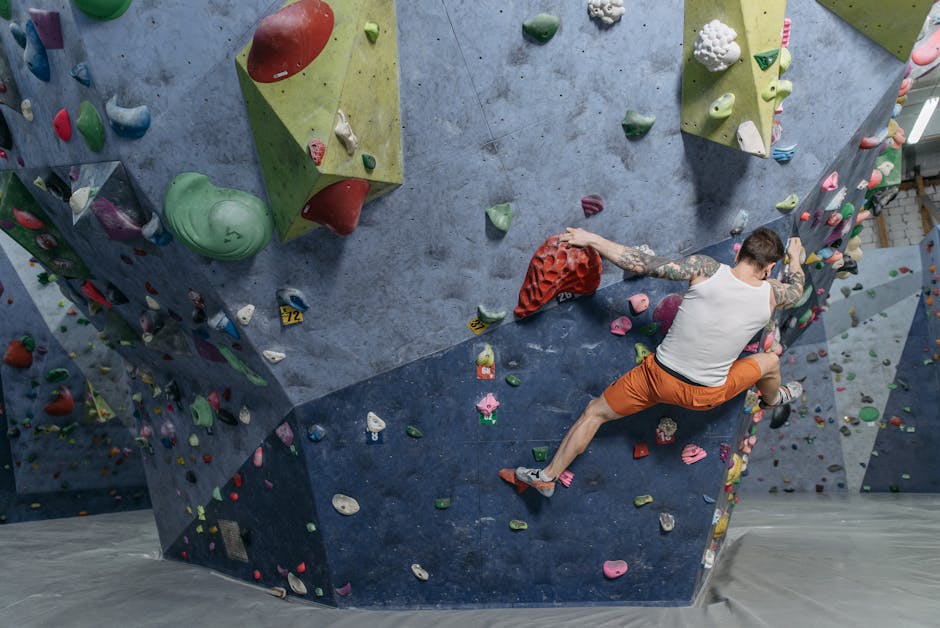
Bouldering has always looked like the low-risk corner of climbing — no ropes, short falls, padded landings. Then you watch a friend separate his shoulder from a v4 topout and you realise the risk profile is real. It's just structured differently than trad climbing. The protection gear that matters for bouldering is different too, and the market has evolved enough that 2026 is a genuinely different landscape than 2021.
The Physics of a Bouldering Fall
A boulderer who falls from 4 metres at a steady speed reaches the ground at roughly 31 km/h, carrying about 6-7 times body weight in impact force over a short arrest window. A single crash pad absorbs roughly 30-50 percent of that impact if the landing is clean and flat. Two pads in a proper overlap absorb 60-75 percent. The mattress closed-cell + open-cell structure is engineered to spread the peak over 30-50 milliseconds, which is the difference between a healthy landing and a broken ankle.
The reason people get hurt on modern pads isn't that the pads are bad. It's that the landing zones are rarely flat. One edge of the pad is on a rock. One corner has a root underneath. The "landing zone" includes a six-inch step down you didn't see. The physics that crash pads exploit only work on clean landings.
Crash Pad Categories That Actually Matter
Highball pad: large, usually 4 to 6 inches thick, designed for single-pad coverage under very tall problems. Weight 5-9 kg. Best examples in 2026: Organic Big Pad, Metolius Session II, Black Diamond Impact Pad.
Medium utility pad: mainstream 3-4 inch pad for most bouldering. Weight 4-5 kg. Best: Mad Rock R3 (the fusion layer design is genuinely excellent), Asana Pro Spotter, Black Diamond Mondo (heavier but the durability is top tier).
Small approach pad: thin, packable, for long hikes and supplemental coverage. Weight 2-3 kg. Best: Organic Slim Pad, Metolius Slim Pad. Not a primary landing pad — a supplement.
The Pad Recommendations I'd Stand By
Black Diamond Mondo — $339
The standard for a reason. Massive landing area (112 x 152 cm open), dense closed-cell foam sandwich, and the harness system works. Weight is the compromise at 8.2 kg, which makes it a terrible choice for long approaches. For roadside bouldering — Yosemite's Camp 4 areas, Rocklands in South Africa, Font's forest — this is the workhorse.
Durability: I've owned one for six seasons. The cover has scrapes and one patched hole, but the foam is still functional. Black Diamond's return policy has always been solid when I've had issues.
Organic Big Pad — $339
The boutique answer to the Mondo. Organic (a small American maker) builds pads with ridiculous attention to stitching and foam density. The Big Pad at 117 x 152 cm is slightly larger than the Mondo, weighs 7.7 kg, and costs the same. I'd argue the foam retains its compression properties longer than the Mondo's — organic foam stays denser over 5-year ownership in my experience.
The downside: Organic is a small company and sometimes gets backed up on orders. If you need a pad in the next two weeks, check availability first.
Mad Rock R3 — $269
The R3 is the best value in bouldering protection. The "fusion" foam technology actually works — it redistributes impact better than single-layer pads of similar price. At $269 it's $70 cheaper than the Mondo or Big Pad. Weight comes in at 6.8 kg.
The compromise: the cover is less durable. Expect to need re-cover after 3-4 seasons of regular use versus 5-6 for the Mondo or Big Pad. For a new boulderer, the R3 is the right first pad by a significant margin.
Metolius Session II — $219
The entry-level pad I recommend to beginners. Not the best landing surface on this list, but at $219 it's the cheapest pad I'd let a friend fall on. Weight 5.5 kg, manageable on short approaches, handles mellow problems fine.
I wouldn't use the Session II for highballs or for problems where landings are uneven. Its single-layer foam compresses faster than the sandwich pads above.
Helmets — The Underused Piece
Here's where boulderers diverge from the rest of climbing. Most boulderers never wear helmets. Most boulderers have also never been hit by a topped-out rock. The rare times a boulderer gets hit — a loose piece pops off, a spotter's hand deflects the head into a rock — the injury is catastrophic.
For boulderers, the helmet question is: are you on an established problem with a solid top? Then you can probably skip the helmet. Are you on a developing area or sandstone or a problem with a loose-looking top? Wear a helmet. The social pressure against wearing one is stupid and kills people.
Best Bouldering Helmets
Petzl Sirocco — 170 grams. The lightest certified climbing helmet that exists. You'll forget you're wearing it. $120.
Black Diamond Vapor — 199 grams, more durable cover than the Sirocco at a similar price. $149.
Mammut Wall Rider MIPS — 240 grams, MIPS-equipped (reduces rotational forces in angled impacts). $180. This is the helmet I'd pick if you're serious about worst-case protection.
Spotting — Your Most Important Piece of Equipment Is a Person
A proper spotter contributes more safety than any individual pad. The job of a spotter is not to catch the boulderer — it's to redirect the fall so that the boulderer lands on their back on the pad rather than on their neck or head off the pad.
Things a good spotter does:
- Feet shoulder-width, knees slightly bent, hands up, 30-40 cm from the climber's lower back
- Never tries to catch a falling climber — tries to guide them to vertical on the pad
- Moves as the climber moves, maintaining that same position behind/below them
- Calls out hazards: "foot pad gap," "second pad now," "you're drifting right"
- Stops spotting if the climber tops out — doesn't stare at the phone when the climber is mantling
Spotter Protection
Spotters get hurt too. A 6-foot climber falling backwards onto a 5-foot spotter is a crash. Good spotters wear trail shoes with good rubber (not approach shoes, which are often hard), position themselves off-line from likely fall trajectories, and — crucially — are strong enough to redirect a falling body. A 60 kg spotter behind a 90 kg climber is a risk.
Shoes, Finger Tape, and the Rest
Beyond pads and helmets, the gear that matters for bouldering longevity:
Climbing shoes: a pair that fits well. Lowlife injuries from bouldering are almost all overuse injuries — bad shoes that let your foot slip make you pull harder with your fingers. The La Sportiva Skwama, Scarpa Instinct VS, and Tenaya Mastia are the best 2026 performance shoes for most foot shapes.
Finger tape: for preventing A2 pulley ruptures on crimps and campus work. Metolius or Hampton Adams, $12 a roll, will last you a season. The taping technique matters more than the tape brand.
Chalk: liquid chalk beats loose chalk for most problems. Friction of the Gods, Mammut Liquid Chalk, or Black Diamond White Gold Liquid are all excellent. $14-20 for a bottle.
What I Don't Bring
Brushes beyond one medium brush and one small brush. Knee pads unless the problem specifically requires them. A full medical kit (a small one lives in the car). An extra pair of shoes. The weight adds up and detracts from the energy you have for actual climbing.
A Budget That Makes Sense
For a boulderer starting in 2026:
- Crash pad — Mad Rock R3 — $269
- Climbing shoes — Scarpa Instinct VS — $185
- Chalk bag + chalk — $45
- Brushes — $20
- Finger tape — $12
Total: $531. That's a credible first-year bouldering kit.
For a boulderer building a long-term kit:
- Second crash pad — Black Diamond Mondo — $339
- Helmet — Black Diamond Vapor — $149
- Performance shoes (second pair, aggressive) — La Sportiva Skwama — $215
- Finger training hangboard — Beastmaker 2000 — $95
Another $798 over the first 2-3 years. That puts you at the serious amateur level with gear that will last 7-10 seasons of heavy use.