Bivy Kit for Ultralight Alpine: Ultralight vs Survival
The 900g bivy is amazing until weather turns. Here's how to decide between ultralight and storm options.
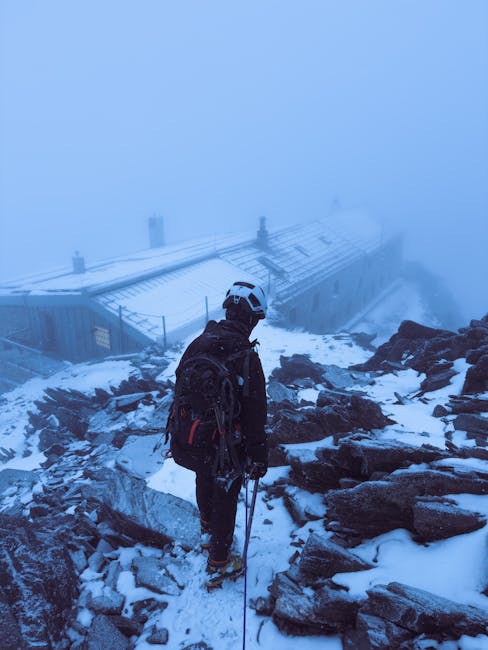
The difference between a 900g ultralight bivy and a 1,800g four-season bivy is exactly the difference between comfort and survival. On a summer alpine route where the weather is stable, the ultralight works fine. On a three-day climb in Patagonia with actual storms, the ultralight kills you. Choosing between them is one of the most consequential gear decisions in alpinism.
I've spent nights in both. My ultralight bivy is an Outdoor Research Helium, 900g in my size. My storm bivy is a Rab Neutrino Ridge, 1,800g. Both have their place. Choosing the wrong one at the wrong time is how people get hypothermic.
The Ultralight Bivy
An ultralight bivy weighs 700-1,000g, uses lightweight fabrics (15-40d), and has minimal structure. The OR Helium, Rab Alpine Bivi, and Montbell Crescent all fit this category. They're designed for summer alpine and fast trips where weight savings matter most.
The strengths: compressibility (goes into a small bag), warmth (trap body heat efficiently), and low weight (forget it's in your pack). The weaknesses: marginal in sustained rain, poor insulation from cold ground, and claustrophobic if you're not used to them.
For a summer Sierra route or a fair-weather Alps climb, an ultralight bivy plus a decent sleeping bag is all you need. Saving 900g on the shelter means 900g more food, a better stove setup, or simply less weight on your back. On a 4-day route that could be the difference between finishing strong and bonking.
Ultralight bivy picks
- OR Helium Bivy - 900g, $230
- Rab Alpine Bivi - 700g, $180
- Montbell Crescent Bivy - 680g, $220
The Storm/Survival Bivy
A storm bivy is a different creature. It has an internal frame or arch, Dyneema or sil-nylon fabrics that actually shed rain, and often includes space for a sleeping pad plus gear. Weight ranges 1,500-2,000g. The Rab Neutrino Ridge, Integral Designs South Col, and Snugpak Stratosphere fit here.
These bivies survive sustained storms. Wind, rain, sleet, snow - a properly designed storm bivy handles all of them. You can cook inside (carefully). You can wait out a 24-hour storm without getting soaked. The downside is always weight and pack size.
If you're doing expedition climbing, Patagonia, Alaska, or anywhere weather can turn for 48+ hours, carry a storm bivy. Don't try to save weight with an ultralight. I've heard stories of people having to wait out storms in the wrong bivy. It's not a story that ends well every time.
Choosing Between the Two
The decision comes down to probable weather and consequence of failure. For a summer Alps climb where you can always descend to a refuge, the ultralight is fine. For a route where you might be pinned down for 24 hours by weather with no escape, you want the storm option.
I use a rule: if the descent is more committing than the ascent, I carry the storm bivy. If I can bail down anytime in 3 hours, I carry the ultralight. This doesn't perfectly fit every trip, but it's a useful starting point.
Some climbers carry neither. Instead they use a Pertex overbag or a poncho bivy like the Six Moons Designs Skyscape Trekker. This is pure survival gear - 150g of fabric that turns you from "dry" into "just wet" instead of "wet and hypothermic." On a summer alpine route where you're moving and generating heat, this can be all you need.
What Goes Inside the Bivy
Your bivy does one job: hold heat and keep you dry. Inside, you need a sleeping system that matches the temperature. A 20°F synthetic bag (OR Cascadian, Sea to Summit Spark) in a light-wind bivy handles summer alpine. A down bag works too but risks loss of loft if it gets wet.
A Therm-a-Rest Z Lite Sol or similar closed-cell foam pad weighs 300g and insulates from the ground. Don't skip the pad. Sleeping directly on rock or snow drains your heat 10x faster than a pad. You'll wake up cold and not understand why.
I've experimented with various sleeping configurations. For most summer alpine, I use: 20°F down bag, Z Lite Sol pad, OR Helium Bivy, one extra puffy worn inside the bag. Total weight around 1.8kg. This system has gotten me through nights down to -5°C with decent comfort. Below that, I want more insulation or a warmer bag.
Sleeping system weight targets
- Summer Alps (0 to 5°C): 1.6-2.0kg
- Shoulder season (0 to -10°C): 2.2-2.8kg
- Winter/expedition: 3.0kg+
The Trap: Getting Too Ultralight
Every year someone with a brand-new 400g "tarp shelter" tries to do a real alpine route and discovers that thermodynamics doesn't care about marketing. The human body loses heat at a certain rate. A 400g shelter cannot trap enough of it to keep you alive in sustained cold.
The weight savings from the ultra-ultralight crowd (under 500g shelters) are real, but the margin for error drops dramatically. For a 12-hour emergency on a summer route, they work. For a 24-hour storm on a committing climb, they don't.
My advice: if you're new to bivvy alpinism, start with something in the 900-1,200g range. Get comfortable with the discipline. Then decide if you want to optimize further. The weight you save by switching from a 900g bivy to a 500g tarp is less important than the skills you learn by using either one.