Multi-Day Alpine Climbing: Food, Fuel, and Weight Strategy
Alpine food planning is more technical than the climbing. Here's how to pack lean without bonking at altitude.
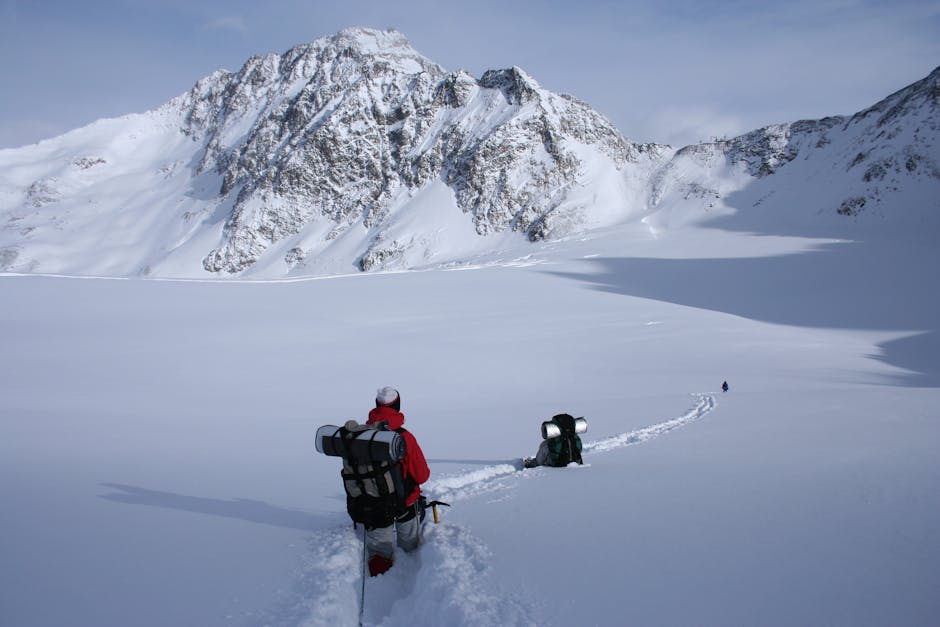
Planning food for a multi-day alpine route is more technical than the climbing itself. Carry too much and you're slow and tired. Carry too little and you bonk at 5,000m with a storm coming in. The window between these two is narrow, and most climbers err on the heavy side because bonking is terrifying and carrying is just uncomfortable.
I've done alpine routes where my food bag was 4kg for three days and routes where it was 2kg for the same time. The lighter one always felt better on the wall. The trick isn't eating less; it's choosing food that gives you more calories per gram without tasting so bad you can't force it down at dawn.
Calorie Targets and Reality
On a hard alpine day, you burn 4,000-5,000 calories. You can't carry that much weight on a multi-day route. The working target is 3,000 calories per day of food, with the assumption you'll dip into your glycogen stores and maybe body fat over the trip. This works for 2-4 day routes. On longer expeditions, you need to either eat more or move slower.
Those 3,000 calories need to weigh about 600-700g for food alone (not including packaging). To hit that, you're looking at 4.5-5 calories per gram. That rules out most fresh food immediately. Bananas are 1 cal/g. Cheese is 4 cal/g. Olive oil is 9 cal/g. See the difference?
Olive oil, nut butter, and cheese are your high-density allies. I've drunk olive oil out of a flask at altitude. It's foul, but it's calories and it digests. If you can't do that, fine, eat nuts and chocolate. But know the weight-to-calorie ratio of what you're carrying.
Example 2-day menu (1.2kg food for 6,000 cal)
- Day 1 breakfast: Instant oats + coconut oil + protein powder (400 cal, 100g)
- Day 1 climbing: Nuts + chocolate + dried fruit (1,200 cal, 250g)
- Day 1 dinner: Dehydrated meal (800 cal, 180g)
- Day 1 extras: Tea bags, electrolytes, sports gel (200 cal, 50g)
- Day 2 same pattern minus one gel (2,400 cal, 520g)
Fuel Selection and Weight
On a multi-day alpine route, water weight is brutal. 2L of water weighs 2kg. On a climb where you can melt snow, you carry a stove, pot, and fuel instead. A Jetboil MiniMo weighs 400g. Fuel canisters weigh 100g (small) or 230g (medium). One medium canister melts about 20L of snow, which is roughly three days of drinking water for one person.
Do the math before leaving the valley. If your route has no meltable snow or ice (rare in alpine but possible in summer on dry rock), you're carrying water. If it has snow, you're carrying fuel. Weigh both options. Usually fuel wins.
I've used alcohol stoves on alpine routes. Don't. They're slow, unreliable in cold, and waste time you need for climbing. A Jetboil boils water faster and handles altitude without drama. Spend the 400g. The time savings alone justifies it.
Essential stove kit
- Jetboil MiniMo - 400g, packs inside itself
- Gas canister - 230g medium
- Lighter x2 (always redundancy) - 20g
- Small plastic bag for snow collection - 10g
Electrolytes and Why You're Dehydrated
At altitude, you breathe out more water than you realize. You also urinate more as your body adjusts. Without conscious effort, you can lose 3-4L in a day without replacing them. This is how people get headaches at altitude that aren't altitude sickness; they're just dehydrated.
Carry electrolyte tablets or powder. I use Salt Stick chews (one every hour at altitude) and Skratch Labs hydration mix. Both are light, both work, and both make water taste better, which encourages drinking.
Water intake target: 3-4L per day on an alpine route. Don't skimp. Your climbing suffers more from dehydration than from tiredness.
The Weight Audit That Saves Trips
Before every alpine trip, weigh your food bag. Not the food individually; the whole bag including packaging. Then weigh your stove kit. Then your water. Add them up. If the total is more than 15% of your body weight, something needs to go.
I've cut items at the trailhead because the final weigh-in showed me I was too heavy. A candy bar I was carrying "just in case" became the difference between comfortable and stupid. Be ruthless. The wall doesn't care what you're craving.
The lightest alpinists I know all carry roughly the same food: oats, nuts, cheese, chocolate, one dehydrated meal per day. They also all complain about the food on every trip. That's the trade. You want to eat what you like, carry more weight. You want to climb fast, accept that food is fuel.