Adventure Racing: The Team Sport That Turns Mountain Biking, Trekking, and Whitewater Paddling Into One Unbroken Race
Adventure racing strips out sleep and satellite navigation and forces teams to combine mountain biking, trekking, and whitewater paddling into one non-stop race. Here is how the disciplines, team strategy, and gear actually work — and how to get into your first event.
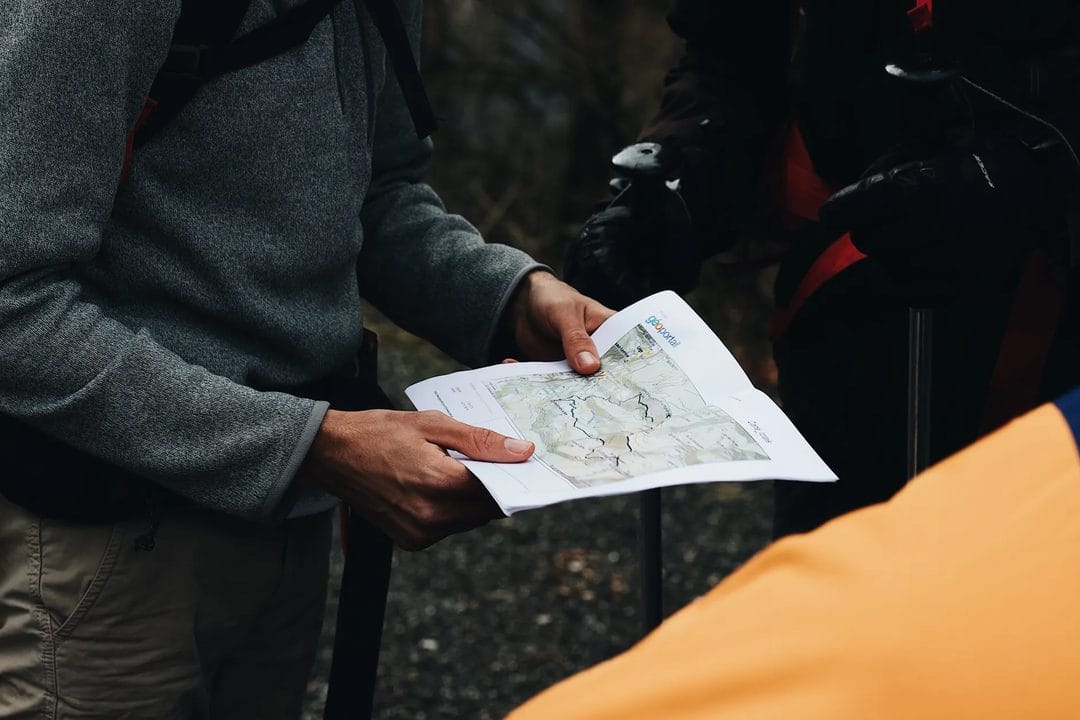
Somewhere on the second night of a 400-kilometre race through the Yukon or the South Island of New Zealand, a four-person team stops moving. Not because they're hurt — because the navigator has to pull out a 1:50,000 topo map, a Silva compass, and a headlamp running on its second battery, and work out which of three near-identical creek drainages they're actually standing in. Get it wrong and the next six hours disappear into bush that no GPS unit is allowed to save them from. This is adventure racing, and the rule that makes it brutal — no satellite navigation, ever — is also the rule that separates it from every other endurance sport on this list.
What an expedition adventure race actually is
Strip away the marketing and an expedition-length adventure race is a single, unbroken multi-day event where a team of two to four people moves non-stop between checkpoints using whatever combination of mountain biking, trekking, whitewater paddling, and sometimes ropes work (rappelling, ascending fixed lines) the course demands. There's no daily stage, no finish line to sleep behind — the clock runs from gun to tape, and most teams sleep somewhere between zero and four hours a night, taken in 20-to-90-minute blocks wherever the course allows. Races like GODZone in New Zealand run 5–7 days and cover 400–600km; Expedition Africa and the Patagonian Expedition Race sit in a similar band. At the other end, USARA-sanctioned regional races and "sprint" adventure races compress the same disciplines into 4–8 hours, which is exactly why they're the right place to start rather than the multi-day version.
The format traces back to Raid Gauloises in the 1980s and Eco-Challenge in the 1990s, both of which set the template still used today: mixed-gender teams (most expedition races require at least one woman on a four-person team), mandatory gear checks, and a course that's deliberately never fully mapped out for competitors in advance. Modern expedition racing runs under the Adventure Racing World Series banner, with events like Expedition Oregon, Wulong Mountain Quest in China, and Cowboy Tough in Wyoming feeding into a world championship. None of that history matters much on the ground — what matters is that navigation error costs more time than fitness ever does, and teams that train legs and lungs while ignoring map work lose to slower teams who don't get lost.
The three disciplines, and where each one actually breaks people
Mountain biking: the leg that punishes bad tire choice
Most expedition-race MTB legs run on a hardtail 29er with 2.25–2.4" tubeless tires — full suspension adds weight you'll be carrying on your back during the trek and paddle legs, and most course profiles (fire roads, singletrack, the occasional hike-a-bike) don't reward the extra travel. Tire pressure matters more here than in cross-country racing: 18–22 psi front and rear is the workable range for mixed gravel-to-singletrack terrain loaded with a hydration pack and framebag, and going lower to chase grip on wet rock just means more pinch flats forty miles from the nearest support crew. Bring a real tubeless repair kit — plugs, a mini pump rated for high volume, and at minimum two spare tubes per bike — because in most expedition races your team carries and fixes its own mechanicals with no outside assistance. Tubeless setups solve most puncture problems outright, but they're not immune to everything: sealant stops sealing below roughly -5°C, and that's precisely the temperature range GODZone and Cowboy Tough tend to serve up on the high-altitude bike legs, so cold-weather races still call for a couple of spare tubes tucked somewhere warm against your body.
Trekking and navigation: where races are actually won
The trekking leg is rarely flat, rarely on trail, and almost never runnable for more than a few hundred metres at a stretch — think bushwhacking through New Zealand scrub, boulder-hopping Patagonian moraine, or wading chest-deep swamp in the southeastern US. Teams navigate with a topo map (usually 1:25,000 or 1:50,000, supplied at race start, no advance study allowed) and a baseplate compass; a Silva Expedition 4 or Suunto MC-2 covers what most teams need. This is genuinely the discipline that decides races: a team that's 15% slower on foot but reads terrain correctly will beat a faster team that takes one wrong drainage, because in true wilderness terrain a bad bearing doesn't cost you minutes, it costs you hours.
Whitewater paddling: the leg most rookies underrate
Packraft or canoe legs range from flat lake crossings to genuine Class II–III whitewater, and this is where undertrained teams lose gear, capsize, or — worse — get separated. Alpacka's Denali and Gnarwhal models dominate the expedition-racing packraft market because they pack down to about 2kg and handle loaded gear reasonably well, but a packraft loaded with a 15kg pack handles nothing like an empty one, and teams that haven't practiced a self-rescue with full gear on board find that out for the first time in cold water at 2am. Dry bags are not optional — SealLine or similar 10–20L bags for anything that can't get wet, doubled up for electronics and sleep systems.
Team strategy: the part nobody trains for
Fitness gets you to the start line. What actually separates finishing teams from DNF teams is pacing discipline and role clarity, and most first-time teams get both wrong. Designate one primary navigator before the race, not during it — a team that argues about bearings at 3am on hour 30 is a team that's about to lose two hours to a wrong turn. Sleep strategy matters just as much: elite expedition teams typically take four to six 20-minute "power naps" across a multi-day race rather than one longer block, because a 20-minute nap restores enough alertness to navigate safely without the grogginess that follows a 90-minute nap cut short by an alarm.
Pace the first third of the race slower than feels necessary — this is the single most common mistake new expedition teams make, and it's also the easiest one to fix simply by agreeing on it beforehand. Teams that hammer the opening bike leg to bank time almost always pay for it during the second night, when accumulated fatigue turns a 15-minute navigation error into a 90-minute one because nobody can concentrate. Food matters more than most first-timers expect, too: expedition racers typically burn 6,000–8,000 kcal a day and need roughly 250–350 calories an hour of real intake — gels alone won't cover it, and most experienced teams carry a mix of gels, nut butter packets, and something savoury (jerky, crackers with cheese) because palate fatigue on hour 40 is real and it will make you stop eating exactly when you need calories most.
Mandatory gear and what races actually check
- Headlamp with a minimum lumen rating specified in the race rulebook, plus spare batteries — most races check this at gear inspection and will not let a team start without it
- Personal locator beacon or satellite communicator (a Garmin inReach Mini 2 or ACR ResQLink) — mandatory at nearly every expedition race since the sport tightened safety rules after several multi-day incidents in remote terrain
- Thermal or space blanket, whistle, and a basic first-aid kit per team, not per person
- A dedicated map case and backup compass — losing your only compass mid-course is a documented reason teams have scratched from GODZone and Expedition Africa alike
- Enough calorie load and water treatment (tablets or a Sawyer Squeeze filter) to cover the stated distance between resupply points, which race organisers publish but rarely make generous
Race organisers inspect this list at registration, and gaps get you held at the start line while your team scrambles — which is its own kind of expensive lesson.
Getting into your first race without overcommitting
Don't start with a multi-day expedition race. Start with a USARA-sanctioned sprint or regional race — most run 4–8 hours, cost $150–300 per team of three, and use the exact same skill set (map and compass navigation, a short MTB leg, a paddle leg, sometimes a short trek) at a scale that lets you make mistakes without risking hypothermia forty miles from a road. Odyssey Adventure Racing in the southeastern US and Bones Adventure Racing in Wisconsin both run beginner-friendly regional series that feed experienced teams up toward six- and twelve-hour events before anyone talks about a multi-day expedition.
Once you've finished two or three sprint races cleanly — meaning no missed checkpoints, no navigation disasters, no team member bailing from exhaustion — a 24-hour race is the honest next step, not a full expedition. Teams that jump straight from a sprint race to a five-day event in unfamiliar mountains are, more often than the finishers list wants to admit, the same teams that scratch on day two. Build the sleep-deprivation tolerance and the navigation instincts at 24 hours first; the jump from 24 hours to five days is smaller than the jump from an 8-hour sprint to 24 hours, because by then your team already knows how it behaves when everyone's exhausted and irritable and the map doesn't match the ground.
The gear cost to get started is lower than most people assume — a hardtail mountain bike you probably already own, a compass and map case (under $60 combined), a headlamp, and a basic hydration pack cover a sprint race entirely. Where the real cost shows up later is the expedition-level entry fee: GODZone runs roughly NZD 12,000–15,000 per four-person team, and that's before flights, accommodation, and the packraft you'll need to actually own rather than rent. Budget for the sprint races first. The expedition-level events will still be there once you know your team can navigate a swamp at 3am without falling apart.